
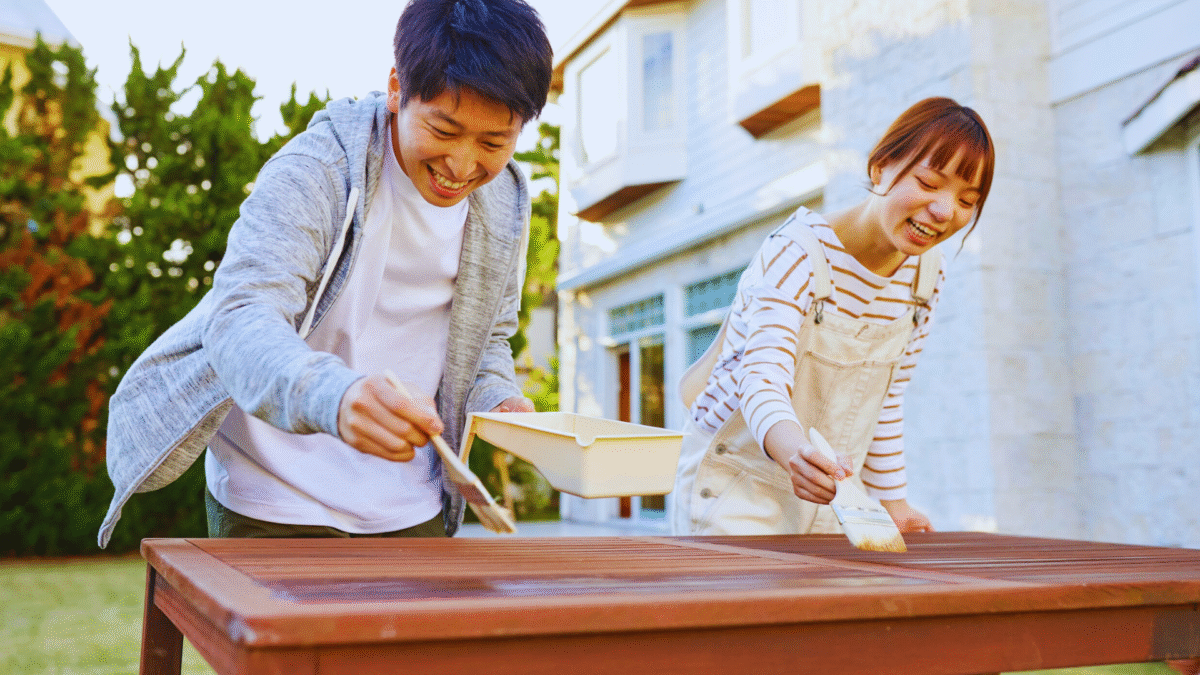
Upcycling old furniture adds new life to items that might otherwise be discarded, and it allows for unique personal touches in home décor. By choosing the right materials and techniques, anyone can transform worn pieces into stylish, functional additions.
The key to upcycling furniture with style lies in combining creativity with practical methods such as sanding, painting, and reupholstering. These steps help ensure the finished piece is both visually appealing and durable.
This process not only conserves resources but also saves money by avoiding the cost of new furniture. Learning how to upcycle effectively opens up many possibilities for individual style and sustainable living.
Understanding the Art of Upcycling Furniture
Upcycling furniture involves transforming old pieces into something both functional and visually appealing. This process depends on recognising material quality, design potential, and how it aligns with personal style and environmental goals.
What Is Upcycling Versus Repurposing?
Upcycling furniture means enhancing the existing item to increase its value or appeal without breaking it down into raw materials. It often involves refinishing, repainting, or adding features to improve style and function.
Repurposing turns old furniture into a different type of object, such as converting a drawer into a shelf. This change in use can alter form and function significantly. Upcycling maintains more of the original structure with creative restoration, while repurposing focuses on practical reuse, sometimes sacrificing aesthetic integrity.
Benefits of Upcycling for Style and Sustainability
Upcycling old furniture helps reduce waste by keeping materials out of landfills. It also offers a chance to create bespoke designs tailored to individual taste, often resulting in unique, high-quality pieces.
Environmentally, upcycling conserves resources by avoiding the need for new raw materials. Stylistically, it allows flexibility; colours, fabrics, and finishes can be customised to fit modern interior themes while preserving vintage character.
Assessing Old Furniture for Upcycling Potential
Start by examining the structural integrity. Solid wood frames or metal legs are ideal for upcycling due to their durability. Avoid pieces with extensive water damage or infestation.
Next, consider the style and shape. Classic or mid-century modern designs often serve as excellent canvases, as their forms remain popular and easy to adapt.
Finally, check for salvageable hardware or decorative details that can be preserved or enhanced during upcycling, adding distinctive features to the final product.
Essential Preparation for Stylish Furniture Makeovers
Proper preparation influences the success of any upcycling project. It includes gathering the right tools, ensuring the furniture surface is clean and solid, and following safe, environmentally conscious practices.
Selecting the Right Tools and Materials
Choosing appropriate tools and materials impacts the quality of a furniture makeover. Essential tools often include sandpaper (various grits), paintbrushes, a screwdriver, putty knives, and a sanding block or electric sander for larger surfaces.
For materials, select paints suited to the furniture type, such as chalk paint for vintage pieces or enamel for durability. Clear sealants and primers improve adhesion and longevity.
Using quality brushes or rollers designed for the chosen paint type ensures smooth application. Avoid cheap materials that can cause uneven finishes or peeling later.
Cleaning, Repairing and Prepping Surfaces
Cleaning furniture thoroughly removes dirt, grime, and old polish that obstructs paint or adhesive. A mild detergent and warm water solution often suffices for most woods and laminates.
After drying, inspect for damage. Fill cracks or holes with wood filler, allow it to dry, then sand smooth. Tighten loose joints or replace missing screws to ensure stability.
Sand the surface to remove old finishes and create a texture for new paint to adhere to. Start with coarser grit sandpaper and finish with finer grit for smoothness. Remove dust after sanding using a tack cloth.
Safety Precautions and Eco-Friendly Choices
Safety is critical during furniture makeovers. Always work in well-ventilated areas, especially when using paints, varnishes, or solvents that release fumes. Wearing gloves and masks protects skin and lungs.
Choose low-VOC or water-based paints and finishes to reduce toxic fumes and environmental impact. Reuse or recycle materials when possible, such as sanding dust, old hardware, or paint containers.
Disposing of chemical waste responsibly prevents pollution. Awareness of these practices supports health and sustainability during upcycling projects.
Creative Techniques for Upcycling Old Furniture
This section explores practical ways to refresh old furniture, focusing on paint application, hardware upgrades, and fabric work. Each method offers specific tools and materials to achieve stylish and durable results.
Transforming With Chalk Paint and Spray Paint
Chalk paint is popular for creating a matte, vintage look without extensive prep work. It adheres well to most surfaces and requires minimal sanding or priming, making it ideal for outdated furniture.
Spray paint offers a smooth, even finish, useful for modernising metal and wooden pieces. Selecting paint designed for furniture is essential to prevent chipping and ensure durability.
Steps for chalk paint:
- Clean surface thoroughly.
- Apply with a brush in thin layers.
- Finish with clear wax or sealant for protection.
Spray paint tips:
- Work in a well-ventilated space.
- Shake the can well before use.
- Keep a consistent distance to avoid drips.
Adding or Updating Hardware and Details
Replacing knobs, handles, or legs is a straightforward way to upgrade old furniture without extensive work. Selecting hardware that matches the style of the piece can instantly raise its visual appeal.
Brass or matte black handles are popular for a modern look, while ceramic or glass options suit vintage styles. Small details like corner brackets or decorative mouldings can be added for character.
When updating:
- Remove old hardware carefully.
- Measure for compatible replacements.
- Secure firmly to avoid wobbling or damage.
Reupholstering and Incorporating Patterns
Reupholstering allows furniture to gain a fresh look with new fabric while extending its use. Choosing durable, easy-care fabrics is crucial for longevity, especially for frequently used chairs or sofas.
Incorporating patterns such as stripes, florals, or geometric designs can add personality and blend with room décor. Mixing textures between fabric and cushion fillings enhances comfort and appeal.
Key steps:
- Remove existing fabric and padding.
- Replace or reinforce padding as needed.
- Stretch fabric tightly and staple securely under the frame.
Inspirational Upcycling Projects and Ideas
Upcycling old furniture offers many creative possibilities, from refreshing a single piece to combining items for a unique effect. Practical techniques and clever designs ensure stylish results that fit modern interiors.
Turning Dressers and Cabinets Into Statement Pieces
Dressers and cabinets can transform a room when upcycled with bold choices. Sanding and repainting in vibrant or matte tones enhances character while updating style. Adding new hardware, such as brass handles or vintage knobs, can dramatically alter the look.
Applying patterned wallpaper or decoupage inside drawers adds unexpected interest when opened. For a rustic or industrial feel, distressing paint or using metal accents works well.
Such furniture makeover projects focus on durability—sealing surfaces with clear varnish protects the finish. These statement pieces often become focal points and conversation starters in living spaces.
Innovative Table and Chair Makeovers
Tables and chairs present versatile opportunities for upcycling projects. Stripping away old varnish, they can be stained or painted to suit contemporary decor. Replacing tabletops with glass or reclaimed wood adds texture and strength.
Reupholstering chair seats with colourful or patterned fabric updates comfort and style. Mixing paint colours on chair legs versus seats creates a modern contrast. Smoothing out rough edges and reinforcing joints ensures lasting use.
Other ideas include stencilling designs on table surfaces or distressing finishes to achieve a vintage look. These makeovers turn ordinary furniture into functional art pieces.
Blending Multiple Pieces for Unique Designs
Combining several pieces of old furniture creates distinctive upcycled results. For example, attaching dresser drawers to a coffee table frame can form custom storage solutions.
Mixing different styles or wood types in one piece gives a layered visual effect. Adding shelves from an old bookcase to a cabinet transforms it into a multifunctional unit.
Careful measurement and sturdy joinery are critical to maintain stability. This approach allows creative expression and solves practical needs simultaneously within upcycled furniture projects.
