
Author: Harrison (page 1 of 7)

How to Stay Active Without Going to the Gym: Practical Tips for Every Lifestyle

Staying active without going to the gym is entirely achievable through simple adjustments to daily routines. Many people think exercise requires specialised equipment and a gym membership, but physical activity can be integrated into everyday life without any extra cost or complex planning.

Walking, cycling, bodyweight exercises, and household chores are effective ways to maintain fitness without setting foot in a gym. These methods offer convenience and flexibility while promoting overall health.

By focusing on practical and accessible activities, anyone can stay active regardless of time or location. Understanding these alternatives opens new possibilities for consistent movement and well-being outside traditional gym settings.

Effective Everyday Activities for Staying Active

Incorporating movement into daily routines helps maintain physical fitness without formal exercise. Simple activities like walking, using stairs, and active commuting can effectively boost energy expenditure and improve health.

Walking and Hiking for Daily Movement

Walking is one of the most accessible ways to stay active. A brisk 30-minute walk daily can improve cardiovascular health and muscle tone. Urban walkways, parks, or countryside trails provide varied terrain, enhancing the physical challenge.

Hiking adds intensity through uneven surfaces and elevation changes. It engages different muscle groups, promoting strength and endurance. Wearing comfortable shoes and carrying a light backpack can increase calorie burn.

Both walking and hiking can be adapted to any fitness level. Consistency is key to gaining benefits, making them practical options for regular mini workouts throughout the week.

Making Use of Stairs and Routine Chores

Taking the stairs instead of lifts offers a quick cardiovascular boost. Climbing stairs strengthens the legs and improves balance. Repeated short sessions, such as climbing for a few flights multiple times daily, accumulate meaningful activity.

Routine chores like vacuuming, gardening, or washing the car also keep the body moving. These activities increase heart rate and engage muscles, making them effective for staying active. Splitting chores into short bursts can serve as mini workouts.

Combining stairs with household tasks provides structured opportunities to move without needing extra time set aside for exercise.

Active Commuting: Cycling and Skateboarding

Cycling to work or school integrates exercise into daily travel. It engages large muscle groups and improves cardiovascular health. Moderate cycling for 20–30 minutes can significantly contribute to weekly activity targets.

Skateboarding offers a low-impact, balance-focused alternative. It helps improve coordination and core strength. Short rides around the neighbourhood can serve as efficient physical activity.

Both cycling and skateboarding reduce reliance on cars, enhancing environmental benefits alongside health. Using proper protective gear ensures safety during active commuting.

Simple Home-Based Exercises

Home workouts can effectively improve strength, flexibility, and overall fitness without any special equipment. Focusing on a mix of bodyweight exercises, flexibility practices, and guided routines helps to cover all key fitness areas.

Bodyweight Movements: Push-Ups, Squats, Lunges, and Planks

Bodyweight exercises serve as a solid foundation for strength training at home. Push-ups target the chest, shoulders, and triceps, improving upper body strength. Adjust difficulty by changing hand position or doing incline push-ups.

Squats focus on the lower body—quads, hamstrings, and glutes—and support better balance. They can be done with just body weight or with added resistance, like household items.

Lunges help improve leg strength and stability. Forward or walking lunges enhance coordination while engaging core muscles.

Planks are excellent for core strength and endurance. Maintaining a straight line from head to heels works the abs, back, and shoulders effectively.

Stretching, Yoga, and Pilates

Stretching routines improve flexibility and reduce injury risk. Dynamic stretches before workouts warm muscles, while static stretches post-workout aid recovery.

Yoga combines stretching with strength and balance work. Poses like downward dog or warrior build flexibility and promote body awareness.

Pilates emphasises controlled movements targeting core stability and posture. It complements other workouts by improving muscle balance and breathing techniques.

Both yoga and Pilates can be tailored to fit all fitness levels and can be done in short daily sessions.

Online Workouts and Fitness Apps

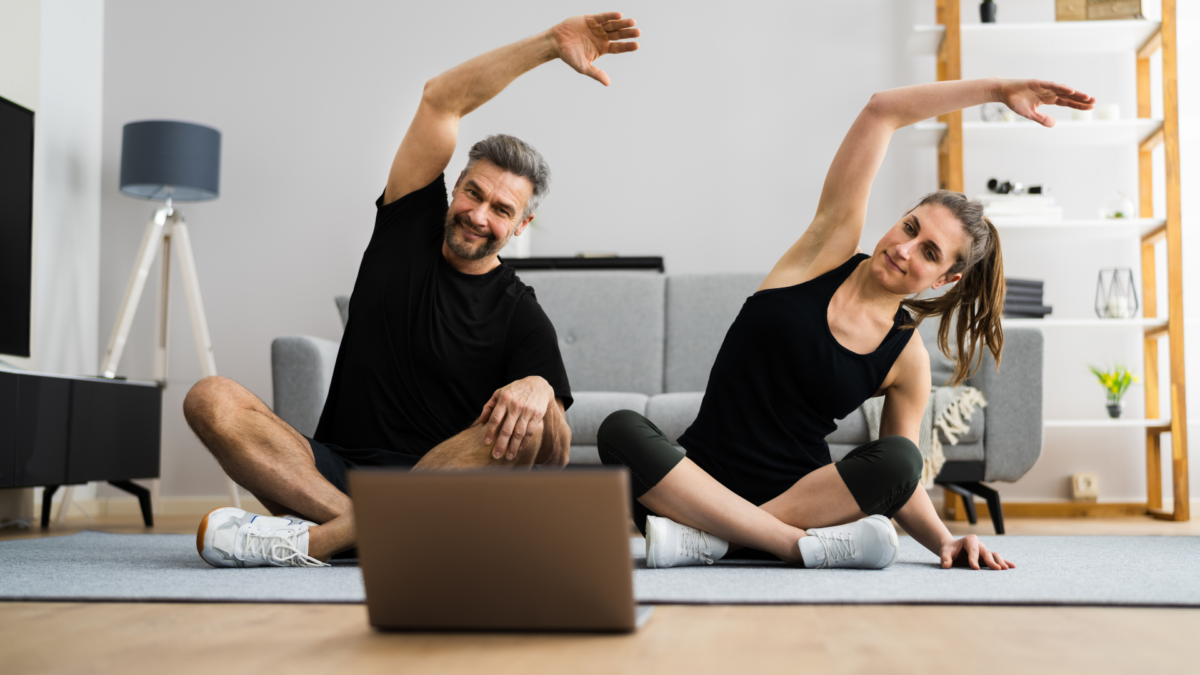
Fitness apps offer a variety of guided sessions for strength, flexibility, and cardio without leaving the house. Many include push-up, squat, and plank modifications for beginners to advanced users.

Online workouts provide structure and motivation through video demonstrations and progress tracking. Apps often feature schedules, reminders, and adjustable difficulty settings.

Examples include apps dedicated to HIIT, yoga, or Pilates. Selecting a programme based on personal goals ensures consistent and effective training at home.

Social and Recreational Ways to Stay Fit

Engaging in social and recreational activities offers enjoyable alternatives to traditional workouts. These activities can improve fitness by combining movement with social interaction, making it easier to stay consistent.

Dancing and Zumba for Fun Movement

Dancing and Zumba provide effective ways to improve cardiovascular health and muscle tone while enjoying rhythmic movement. Zumba combines fast-paced dance moves with aerobic exercises, often set to lively music.

Both activities increase heart rate and encourage full-body movement, which helps burn calories and boost endurance. They suit all fitness levels and can be done at home, in classes, or at social events.

In addition to improving coordination and balance, dancing and Zumba help reduce stress by promoting the release of endorphins. Regular participation supports long-term fitness without the monotony of standard gym routines.

Playing Recreational Sports: Soccer and Tennis

Recreational sports like soccer and tennis offer dynamic ways to stay fit while providing a team or competitive element. Soccer involves sustained running, sprinting, and quick directional changes, enhancing cardiovascular fitness and leg strength.

Tennis requires agility, hand-eye coordination, and bursts of intense activity, which improve aerobic capacity and muscle endurance. Both sports encourage strategic thinking and social interaction.

Players benefit from improved bone density, increased stamina, and better overall body control. These sports are adaptable to various skill levels and promote consistent physical activity in a lively and engaging environment.

Swimming for Cardiovascular Health

Swimming is a low-impact, full-body workout that significantly benefits cardiovascular health. It engages multiple muscle groups simultaneously, improving strength, flexibility, and endurance without putting stress on joints.

Regular swimming sessions increase lung capacity and heart efficiency, aiding in cardiovascular conditioning. The resistance of water also helps build muscle tone more gently than many other forms of exercise.

It is suitable for all ages and fitness levels and can be especially useful for those with injuries or mobility issues. Swimming provides a balanced workout that promotes lasting fitness through controlled, rhythmic movement.

Building Long-Term Motivation and Wellbeing

Sustaining activity requires techniques that address both mental and physical aspects. Practical habits around awareness and measurable progress help maintain enthusiasm and reduce barriers like stress or distraction.

Incorporating Mindfulness and Stress Reduction

Mindfulness increases awareness of the body’s signals, improving focus on physical activity. When individuals practice mindfulness, they tend to feel more connected to their movements, making exercise more intentional.

Simple techniques such as deep breathing, body scans, or mindful walking can be integrated before or during activity. This not only lowers stress hormones but also helps prevent burnout by promoting a calm mindset.

Being mindful also aids recovery by encouraging rest when needed and reducing tension. It supports motivation through a clearer understanding of how exercise affects overall well-being rather than just external results.

Tracking Progress and Staying Motivated

Tracking activity with tools like journals or apps provides concrete data on improvements and patterns. This visibility helps maintain motivation by showing how small, consistent efforts contribute to long-term goals.

Setting specific, measurable targets (e.g., walking 10,000 steps daily or increasing activity duration weekly) keeps efforts focused. Recognising achievements, even minor ones, fosters a sense of progress and satisfaction.

Regular review of goals can adjust challenges to match changing abilities or schedules, preventing frustration. Visual progress charts or rewards tied to milestones can further encourage persistence without relying on external validation.

How to Paint a Room Like a Pro: Expert Tips for a Flawless Finish

Painting a room like a pro requires more than just slapping on some paint. It involves careful preparation, the right tools, and mastering techniques that ensure a smooth, even finish. The key to achieving a professional look lies in thorough surface preparation, using quality materials, and applying paint with precision.

Many people overlook important steps such as cleaning walls, patching holes, and choosing the correct type of paint for the space. By following straightforward methods, anyone can avoid common mistakes like uneven coverage and drips.

With attention to detail and practical guidance, painting a room can become a rewarding project that transforms a space effectively and efficiently.

Essential Tools and Materials

A successful paint job depends on selecting appropriate tools and preparing the workspace carefully. Using the right equipment streamlines the process, ensures clean lines, and protects surfaces from unwanted paint.

Selecting the Right Painting Supplies

Choosing the correct paint and related supplies is critical. He or she should pick paints designed for interior walls, with finishes such as matt, satin, or semi-gloss, depending on the room’s purpose. A high-quality paint tray is essential for holding and distributing paint evenly.

For efficient coverage, using an extension pole with paint rollers allows reaching high walls and ceilings without ladders. Always have spare roller covers suited to the type of paint, whether water-based or oil-based, to maintain proper absorption and texture.

Choosing Quality Brushes and Rollers

Brushes come in various shapes and bristle types, impacting the finish. Synthetic bristles suit water-based paints, while natural bristles work best with oil-based paints. A 2-3 inch angled brush is ideal for cutting in along edges and corners.

Paint rollers should match the wall texture: smooth rollers for flat walls, and thicker nap rollers for textured or rough surfaces. Investing in a sturdy roller frame ensures smooth application without wobble.

Protective Materials and Setup

Proper protection minimises clean-up and damage to furniture or flooring. Drop cloths, either cotton or plastic sheeting, should cover floors and furniture completely. Plastic sheeting also protects windows and door frames from splatter.

Using painter’s tape along edges and around fittings ensures crisp lines and prevents paint bleed. Before painting, setting up all tools and protective materials in an organised manner reduces interruptions.

Room and Surface Preparation

Proper preparation lays the foundation for a smooth paint job with lasting results. It involves clearing the space, fixing surface imperfections, ensuring the paint will adhere well, and protecting adjacent areas from accidental paint marks.

Clearing and Protecting the Room

He should start by removing all furniture, curtains, and wall hangings to prevent damage. Small items and fixtures like light switch covers and outlet plates should also be detached.

Cover the floor and any remaining furniture with drop cloths or plastic sheeting. It’s important to secure these coverings firmly to avoid tripping hazards. Covering vents and light fittings with plastic prevents dust and paint splashes from settling on them.

Check that all windows and doors can be closed properly before painting; this avoids dust and debris entering the room during the process.

Repairing Walls and Trim

Walls often have imperfections such as nail pops, cracks, or small holes. These should be filled with spackle or an appropriate filler. He should apply the spackle smoothly with a putty knife to avoid uneven surfaces.

Allow the spackle to dry fully before sanding it flush with the surrounding area using fine sandpaper. For larger cracks or damaged trim, additional patching or replacement of trim might be necessary.

Ensure all surfaces to be painted are clean and free of dust or grease, as these inhibit paint adhesion.

Priming and Sanding for Adhesion

Priming prepares the surface to accept paint evenly. It seals porous materials and hides repaired areas. A high-quality primer suitable for the surface type (plaster, wood, previously painted) is essential.

After priming, light sanding with fine sandpaper smooths out any brush strokes or raised fibres. This creates a uniform surface, improving paint adhesion and finish quality.

He should clean all the dust off the surface with a damp cloth after sanding. Skipping sanding or cleaning may cause the paint to peel or unevenly cover.

Using Painter’s Tape Effectively

Applying painter’s tape neatly along edges protects areas like skirting boards, door frames, and window trims. He should press the tape edges down firmly to prevent bleeding underneath.

Tape should be removed while the paint is still slightly wet or just dry to avoid peeling off dry paint layers. Using a resealable roll of painter’s tape helps maintain tackiness for multiple uses.

Choosing the right tape width and type for the surface guarantees clean, sharp paint lines without damaging surfaces underneath.

Paint and Finish Selection

Choosing the right paint and finish is essential for a professional result. The decision affects durability, ease of application, and the final look of the room.

Types of Paint: Latex vs Oil-Based

Latex paint is water-based and dries quickly, making it ideal for most interior walls. It is easy to clean with soap and water and produces less odour. Latex paint offers good flexibility, which resists cracking over time.

Oil-based paint dries more slowly and emits stronger fumes. It provides a smooth, durable finish and is excellent for trim and surfaces that require frequent cleaning. However, oil-based paint requires solvents like turpentine for cleanup.

Choosing between latex and oil-based paints depends on the room’s use and desired finish. Latex is best for walls and ceilings, while oil-based suits woodwork and high-traffic areas.

Selecting the Best Paint Sheen

Paint sheen varies from flat to high gloss, affecting both appearance and durability. Flat or matte sheens hide imperfections but are less washable, suitable for low-traffic areas.

Eggshell and satin offer a slight sheen with better stain resistance, making them popular for living rooms and bedrooms. Semi-gloss and gloss finishes are highly durable and easy to clean, ideal for kitchens and bathrooms.

Higher sheen paints reflect more light, which can highlight wall flaws. Selecting the right sheen involves balancing aesthetics with room function and maintenance needs.

Choosing High-Quality Paint

High-quality paint contains better pigments and binders, offering superior coverage and colour retention. It reduces the number of coats needed, saving time and effort.

Premium paints resist fading, staining, and peeling, making them cost-effective over time. They also typically have lower VOC levels, promoting healthier indoor air quality.

Investing in high-quality paint ensures a smoother application and longer-lasting finish, crucial for a professional-standard paint job.

Professional Painting Techniques and Application

Effective painting requires precision and methodical work. Mastery of specific techniques ensures smooth edges, even coverage, and a flawless finish that lasts. Preparation, layering, and clean-up all contribute to a professional result.

Cutting In and Edging

Cutting in means painting straight, clean lines where walls meet ceilings, skirting boards, or window frames. A high-quality angled sash brush, typically 2 to 2.5 inches wide, helps control the paint along edges.

Paint a small section at a time, keeping the brush loaded but not dripping. Moving the brush with steady, short strokes reduces uneven lines and paint blobs. It’s best to work from top to bottom.

Use painter’s tape on trim for perfect straight edges, removing it within 30 minutes of paint application to avoid peeling. Practising a steady hand and consistent pressure is key before moving to larger areas.

Rolling for Even Coverage

A roller is ideal for large wall surfaces because it delivers smooth and uniform paint layers quickly. Select a roller nap suitable for the wall texture — 3/8-inch for smooth walls, 1/2 to 3/4-inch for textured surfaces.

Pour paint into a tray and load the roller lightly, rolling off excess to prevent drips. Apply paint in a “W” or “M” pattern, then fill in blank spaces with vertical strokes. This technique avoids uneven patches and streaks.

Maintain even pressure and reload paint frequently. Avoid pressing too hard, as it can cause splattering or patchy coverage. Overlap each pass slightly to blend the paint seamlessly.

Applying a Second Coat for Perfection

A second coat ensures full coverage and durability, especially with light or bold colours. Wait until the first coat is fully dry, usually 2 to 4 hours depending on paint type and humidity.

Lightly sanding the surface with fine-grit sandpaper removes imperfections and improves adhesion for the second coat. Clean away dust thoroughly before beginning.

Apply the second coat like the first, maintaining rolling and cutting-in techniques. Focus on areas showing uneven colour or thin spots for a consistent finish. Skipping this step can leave a patchy, amateur look.

Finishing Touches and Clean Up

Once the painting is complete, inspect all edges and corners. Touch up any missed spots with a small brush. Remove painter’s tape carefully, pulling it back on itself at a 45-degree angle.

Clean brushes and rollers with warm water and mild soap for water-based paints or mineral spirits for oil-based paints immediately after use. Proper cleaning extends tool life and prevents dried paint buildup.

Dispose of leftover paint and used materials in accordance with local regulations. Store remaining paint securely for future touch-ups. Final cleanliness contributes to a professional impression.

How to Mix Comfort and Style Effortlessly for Every Occasion

Mixing comfort and style is possible without sacrificing either. The key is selecting versatile pieces that fit well and feel good to wear while reflecting personal taste. This balance allows for outfits that are both practical and visually appealing.

They should focus on natural fabrics, thoughtful layering, and accessories that elevate simple looks. By prioritising quality over quantity, a stylish wardrobe can also be comfortable throughout long days and varied activities.

Understanding individual needs and preferences plays a crucial role in making this combination work. It’s not about following every trend, but about creating a cohesive, functional look that suits lifestyle and occasion.

Mastering the Balance: Foundations of Comfort and Style

Achieving a practical blend of comfort and style relies on understanding personal preferences, choosing well-fitting items, and building a versatile wardrobe. Each element impacts how outfits look and feel throughout daily activities.

Understanding Personal Style and Comfort

Personal style reflects individual tastes and lifestyle, influencing clothing choices that feel authentic. Comfort, however, is not just about softness but how clothing interacts with a person’s daily routine and body movements.

Identifying senses of style that align with comfort starts by evaluating favourite colours, fabrics, and silhouettes. A person drawn to minimalism may prefer breathable linens and simple cuts, while someone fond of bold looks might prioritise flexible materials paired with statement pieces.

Balancing comfort and style requires recognising which clothing pieces enhance confidence without causing irritation or restriction. This clarity prevents impulse buys that sacrifice ease or the desired aesthetic.

The Importance of Fit and Proportion

Fit is crucial in combining comfort and style. Clothes that fit well follow the body’s natural lines, supporting freedom of movement without excess fabric or tightness.

Proportion refers to how different wardrobe items relate in size and balance on the body. For instance, pairing a loose top with fitted trousers creates contrast that looks intentional and keeps comfort intact.

Key tips for achieving fit and proportion include:

  • Choosing garments tailored to one’s body shape
  • Avoiding oversized or undersized extremes
  • Prioritising adjustable features such as waistbands or stretch fabrics

Proper fit reduces discomfort from rubbing, bunching, or awkward gaps, allowing clothing to function well during extended wear.

Selecting Wardrobe Staples

Wardrobe staples serve as reliable foundations for mixing comfort and style across outfits. They are versatile pieces suited for various occasions and meet practical needs.

Staples often include items like well-fitting jeans, plain T-shirts, tailored blazers, and classic footwear. Choosing staples in neutral or complementary colours enhances outfit coordination.

When selecting staples, material choice matters:

  • Cotton blends offer breathability and softness
  • Merino wool provides warmth without bulk
  • Stretch fabrics improve mobility

By focusing on high-quality, adaptable staples, individuals build wardrobes that deliver consistent comfort without compromising on style throughout the week.

Choosing Quality Fabrics for Effortless Elegance

Selecting the right fabrics plays a key role in combining comfort with style. This involves prioritising materials that offer breathability, durability, and a refined appearance suited to different climates and occasions.

Natural and Breathable Materials

Natural fabrics such as cotton, linen, wool, and silk provide superior breathability and comfort. Cotton is soft, durable, and moisture-absorbent, making it ideal for everyday wear. Linen offers excellent airflow and a relaxed texture, perfect for warm weather.

Wool and cashmere are prized for their insulating properties while remaining breathable. Silk stands out with its smooth texture and natural temperature regulation. Bamboo fabric, though less common, is valued for its softness and antibacterial qualities. Choosing these materials ensures comfort without sacrificing elegance.

Benefits of Quality Fabrics

Quality fabrics offer distinct advantages beyond look and feel. They maintain shape and resist pilling, ensuring garments stay crisp over time. Natural fabrics typically allow better air circulation than synthetic ones, reducing sweat and discomfort.

These materials also tend to age better, with wool and cashmere developing character rather than wearing out quickly. Investing in quality fabrics often leads to longer-lasting, more sustainable wardrobe choices. They support effortless elegance by pairing comfort with polished appearances.

Optimal Materials for Different Seasons

Seasonal suitability influences fabric choice significantly. For summer, cotton and linen are preferred due to their lightweight and moisture-wicking properties. Linen’s loose weave promotes constant airflow, helping to stay cool when temperatures rise.

In colder months, wool and cashmere provide warmth without bulk, trapping heat but allowing breathability. Silk can be layered for both cold and mild climates because of its adaptability. Bamboo fabric’s moisture management makes it effective across seasons. Selecting season-appropriate fabrics balances elegance with practical comfort year-round.

Mixing, Matching, and Layering for Seamless Outfits

Creating outfits that blend comfort with style involves precise choices in combining and layering garments. The right techniques in mixing colours, textures, and shapes help maintain balance while enhancing versatility across different aesthetics.

Mix and Match Techniques

Mix and match prioritises pairing pieces with complementary fits and colours. For example, tailored trousers work well paired with oversized sweaters, offering a contrast between structure and softness.

Using neutral colours like beige, grey, or navy as a base allows more freedom with bold colours or prints. It’s effective to keep one item neutral, such as a tailored blazer, and mix it with patterned tops or casual hoodies for a relaxed yet polished look.

Experimenting with different styles, such as combining a cardigan with jeans or a hoodie under a blazer, provides fresh outfit combinations without sacrificing comfort or cohesion.

Layering Strategies

Layering builds depth and functionality by combining garments suited to temperature and texture. Lightweight cardigans are effective over t-shirts, while sweaters provide warmth and style underneath coats or blazers.

One key layering technique is varying lengths to avoid bulk. For instance, an oversized sweater layered over a fitted shirt creates visual interest without overwhelming the silhouette. Layering a hoodie under a tailored blazer offers a modern, casual spin on formal wear.

Practicality also guides layering choices. Each piece should contribute warmth or texture while allowing for easy removal or adjustment to maintain comfort throughout the day.

Balancing Neutrals and Statement Pieces

Neutral tones form a reliable wardrobe foundation. Colours like cream, grey, and black integrate smoothly with other shades and serve as anchors when styling an outfit.

Adding statement pieces, such as bright sweaters or patterned cardigans, introduces personality and focus. It’s important to balance these with toned-down items, such as neutral trousers or simple hoodies, to keep the look sophisticated rather than cluttered.

A simple table illustrates a balanced outfit approach:

Item Type

Example

Colour Approach

Base

Tailored trousers

Neutral grey

Statement

Printed cardigan/sweater

Bold or patterned

Layer

Neutral hoodie or blazer

Beige/navy

This method ensures style remains practical and wearable across different settings.

Accessorising with Confidence: Adding Style Without Sacrificing Comfort

Balancing comfort and style in accessorising means choosing items that enhance an outfit while remaining easy to wear. Practicality should guide decisions in selecting jewellery, hats, scarves, and footwear to avoid discomfort that overshadows the look.

Choosing Practical and Chic Accessories

Accessories like scarves, sunglasses, and jewellery must serve both style and function. Lightweight scarves in breathable fabrics add colour and texture without causing overheating. Opt for simple earrings – studs or small hoops – rather than large, heavy pieces to avoid irritation.

Hats with adjustable fits, such as wide-brimmed hats or caps, offer sun protection and complement an outfit. Sunglasses should have UV protection and a frame that fits comfortably. Choosing jewellery with hypoallergenic materials prevents skin reactions and enables longer wear.

Footwear That Blends Style and Comfort

Footwear should support the foot while reflecting current trends. Loafers and ankle boots made from soft leather or suede provide cushioning and flexibility. Look for features like padded insoles and low, stable heels that reduce strain during extended wear.

Avoid overly pointed toes that restrict toe movement and consider slip-on styles for convenience. Footwear with rubber soles improves grip, which is crucial for all-day comfort. Matching shoes to outfits can be effortless if neutral or classic colours are chosen.

Seasonal Accessory Trends

Seasonal trends affect the choice of accessories, but should not compromise comfort. In spring and summer, light fabrics and breathable hats protect from the sun while remaining lightweight. Straw hats and rimless sunglasses are popular choices that balance style with comfort.

Autumn and winter call for warmer scarves in wool blends and sturdy ankle boots. Chunky jewellery can be worn, provided it is not heavy. Colours tend to deepen in colder months, making earth tones a smart match for accessories like hats and boots.

How to Build a Fitness Routine That Sticks for Lasting Results and Consistency

Building a fitness routine that sticks requires more than just motivation; it demands a clear plan tailored to individual needs and lifestyle. The key is to create a routine that is realistic, enjoyable, and adaptable, ensuring consistent progress without burnout.

Understanding personal goals and preferences allows for a sustainable approach, balancing intensity with recovery. By setting attainable milestones and incorporating variety, the routine remains engaging over time, increasing the likelihood of long-term commitment.

Establishing a Lasting Fitness Routine

Creating a fitness routine that endures requires clear objectives, reliable habits, and activities that motivate. These factors shape a sustainable workout plan that fits the individual’s life and preferences.

Setting Realistic Goals

Goals need to be specific, measurable, and attainable to maintain motivation. For example, aiming to exercise three times a week for 30 minutes is more effective than a vague “get fit” target.

Breaking large objectives into smaller milestones helps track progress. It prevents discouragement and encourages steady improvement.

Goals should reflect personal abilities and schedules. Overambitious targets increase the risk of burnout or injury and lower long-term adherence to a fitness routine.

Building Consistency Through Scheduling

Consistency relies on integrating workouts into daily life at fixed times. Scheduling exercise like appointments creates accountability.

Short, regular sessions often work better than occasional long workouts. For instance, 20-minute sessions every morning can build momentum.

Using reminders or calendar apps supports adherence. This reduces the chance of skipping workouts due to forgetfulness or lack of planning.

Flexibility in the schedule, such as swapping days, helps maintain the routine during unforeseen events.

Choosing Enjoyable Activities

Selecting workouts that are enjoyable increases the likelihood of sticking with the routine. Enjoyment can stem from the type of exercise or the environment.

Variety also prevents boredom and targets different muscle groups. Mixing activities like cycling, swimming, and yoga keeps the routine engaging.

Preferences should consider personal interests, physical limitations, and access to facilities. Enjoyable activities motivate regular participation, which is key to lasting fitness.

Structuring Your Workouts for Success

Creating a routine that fits well and drives progress requires clear planning. It involves mixing different types of exercise, increasing difficulty over time, and scheduling recovery effectively. These elements work together to build consistency and prevent burnout.

Balancing Workout Types

He should include a mix of cardiovascular, strength, and flexibility exercises to cover all fitness aspects. Cardiovascular workouts improve heart health, strength training builds muscle, and flexibility routines reduce injury risk.

A good starting point might be:

Workout Type

Frequency per Week

Examples

Cardiovascular

3-4 sessions

Running, cycling, swimming

Strength

2-3 sessions

Weightlifting, bodyweight

Flexibility

Daily or post-workout

Stretching, yoga

This balance prevents overuse injuries and keeps workouts interesting. Each type targets a different physiological system, promoting well-rounded fitness.

Progression and Adaptation

He must gradually increase workout intensity, duration, or complexity to continue improving. This can mean lifting heavier weights, running longer distances, or adding more challenging movements.

Tracking progress is key. Keeping a workout log helps identify plateaus and adjust routines accordingly. Adaptation also involves listening to the body; if fatigue or pain arises, slowing progression avoids setbacks.

Adjusting variables such as rest time between sets or adding interval training can provide variety while maintaining progression. Small, consistent changes are more effective than sudden leaps.

Planning Rest Days

Rest days are essential for recovery, muscle repair, and avoiding overtraining. She should schedule at least one full rest day weekly, alongside lighter active recovery sessions like walking or gentle yoga.

Ignoring rest can lead to fatigue, reduced performance, and injury. Rest days help maintain motivation and make the routine more sustainable over time.

A balanced routine might cycle between intense and moderate workouts, ensuring recovery phases are built in. Sleeping well and managing stress also enhances the value of rest days.

Overcoming Common Challenges

Building a lasting fitness routine often requires addressing obstacles that can disrupt consistency or slow progress. Key areas include maintaining motivation, accurately tracking improvements, and adjusting to unexpected life changes.

Staying Motivated

Motivation fluctuates, but establishing specific, measurable goals helps maintain focus. Setting short-term targets, like completing a set number of workouts weekly, creates clear milestones.

Incorporating variety into workouts prevents boredom and keeps engagement high. Joining group classes or finding a workout partner can add accountability and social support.

Using reminders, such as calendar alerts or habit-tracking apps, encourages regular exercise. Celebrating small achievements, like increased endurance or strength, reinforces the habit and boosts confidence.

Tracking Progress

Accurate tracking reveals tangible improvements, reinforcing commitment. Using tools like fitness apps, journals, or wearable devices enables monitoring of variables such as duration, intensity, and weights lifted.

Recording metrics weekly helps identify patterns and areas needing adjustment. Visual aids, like charts or progress photos, highlight changes over time more effectively than memory alone.

Tracking also allows for setting realistic goals based on actual performance rather than guesswork. This approach ensures steady progress without risking injury by pushing too hard too soon.

Adapting to Life Changes

Life events and schedules can disrupt a fitness routine. Planning flexible workout options, such as shorter sessions or home-based exercises, ensures continuity during busy or unpredictable periods.

Anticipating challenges like travel, illness, or work demands helps prepare alternatives in advance. Rescheduling missed workouts promptly prevents loss of momentum.

Adjusting goals temporarily to fit current capabilities avoids frustration. Recognising that setbacks are normal encourages resilience and long-term consistency in the fitness routine.

Easy Ways to Boost Mental Well-being Daily for Lasting Emotional Resilience

Many people seek simple ways to improve their mental well-being without drastic lifestyle changes. Small daily habits can have a significant impact on mood, focus, and overall mental health.

Regularly practising activities like mindfulness, physical exercise, and maintaining social connections can effectively boost mental well-being each day. These approaches are accessible and easy to integrate into daily routines without requiring extensive time or resources.

Understanding these straightforward methods gives individuals practical tools to take control of their mental health. By making minor adjustments consistently, it becomes possible to build a stronger, more resilient mind over time.

Core Daily Habits to Boost Mental Wellbeing

Consistent daily practices can strengthen mental health and improve overall well-being. Prioritising rest, physical activity, relaxation, and nutrition forms a foundation for reducing stress and maintaining balance.

Prioritise Adequate Sleep

Getting 7 to 9 hours of quality sleep each night is essential for cognitive function and emotional regulation. Sleep helps consolidate memories and supports mood stability.

Maintaining a regular sleep schedule by going to bed and waking up at the same time every day improves sleep quality. Avoiding screens and bright lights at least an hour before bed supports natural melatonin production.

Good sleep hygiene also includes a comfortable sleep environment—cool, dark, and quiet. Poor sleep can increase stress levels and hinder mental clarity, making rest a critical daily habit.

Incorporate Regular Exercise

Engaging in at least 30 minutes of moderate exercise most days boosts brain chemicals that improve mood and reduce anxiety. Activities like walking, cycling, or swimming are effective.

Exercise increases blood flow to the brain, promoting better cognitive function and helping regulate emotions. Regular physical activity also aids in stress relief and enhances sleep quality.

For those new to exercise, starting with simple walking routines can be beneficial. Consistency rather than intensity is key to sustaining mental health benefits.

Adopt Relaxation Techniques

Practising relaxation daily helps reduce stress and calms the nervous system. Techniques such as deep breathing, mindfulness meditation, or progressive muscle relaxation are accessible and scientifically supported.

Short sessions, even five to ten minutes daily, can lower cortisol levels and improve focus. Using guided audio or apps can assist beginners in establishing these habits.

Relaxation also supports emotional resilience by providing mental space to process feelings, making it easier to manage daily pressures.

Maintain a Balanced Diet

Eating a variety of fruits and vegetables daily provides vitamins and minerals essential for brain function. Nutrients like omega-3 fatty acids, antioxidants, and fibre contribute to mental clarity and mood regulation.

Limiting processed foods and added sugars reduces inflammation linked with depression and anxiety. Drinking enough water supports concentration and energy levels.

Incorporating diverse, nutrient-rich foods helps sustain both physical and mental health, supporting long-term wellbeing and reducing stress.

Nurturing Emotional and Social Health

Emotional and social health significantly influence mental well-being. Consistent actions like recognising positive experiences, helping others, and fostering strong connections directly support emotional stability and reduce symptoms of anxiety and depression.

Practice Gratitude Each Day

Focusing on gratitude helps individuals shift attention from challenges to positive aspects of life. Writing down three things they are grateful for every day can change brain patterns, improving emotional well-being.

This practice reduces negative thoughts linked to anxiety and depression by promoting a sense of control over one’s mood. It also enhances resilience by encouraging reflection on meaningful experiences rather than daily stressors.

Encouraging the use of a gratitude journal or sharing gratitude aloud in conversations can deepen its impact. Even brief moments of thankfulness can increase overall life satisfaction and emotional stability.

Engage in Acts of Kindness

Performing small acts of kindness releases chemicals like oxytocin and serotonin, which promote feelings of happiness and connection. These acts need not be large; simple gestures such as complimenting someone or helping with a task strengthen emotional health.

Kindness acts as a buffer against stress and anxiety by fostering social bonds and creating positive feedback loops in the brain. People who regularly engage in kindness tend to report lower levels of depression.

Integrating kindness into daily routines—like holding doors or volunteering—builds a habit that benefits both the giver and receiver, improving social relationships and emotional wellbeing.

Build Supportive Relationships

Strong, supportive relationships provide essential emotional resources. They help individuals manage anxiety and depression by offering understanding and practical assistance.

Effective relationships involve active listening, expressing feelings clearly, and mutual respect. Engaging with friends, family, or support groups creates a network that can buffer against mental health struggles.

Regular social interaction reduces feelings of loneliness and promotes stable emotional regulation. Investing time in relationships helps maintain mental health and enhances resilience during difficult times.

Simple Relaxation Strategies for Everyday Life

Relaxation can be integrated into a daily routine through specific actions that help reduce stress and improve mental well-being. Techniques like focused breathing, gentle physical movement, and mindful pauses provide practical ways to manage tension quickly.

Deep Breathing Exercises

Deep breathing exercises activate the parasympathetic nervous system, which helps lower heart rate and reduce stress hormones. One common method is the 4-7-8 technique: inhale quietly through the nose for 4 seconds, hold the breath for 7 seconds, then exhale slowly through the mouth for 8 seconds. Repeating this cycle 4-5 times can create a calming effect within minutes.

Consistent practice of deep breathing helps individuals respond better to stress and improves overall relaxation. It can be done anywhere—at the desk, in transit, or before sleep—making it a flexible tool for daily use. Tracking changes in breath length and depth also strengthens the mind-body connection.

Yoga and Gentle Movement

Yoga combines physical postures with breathing control, supporting relaxation and mental clarity. Even short sessions of gentle movement, such as stretching or basic yoga poses like Child’s Pose or Cat-Cow, release muscle tension and increase blood flow.

Practising yoga regularly reduces stress by lowering cortisol levels and improving mood through increased production of serotonin. It also encourages mindful awareness of the body’s signals, promoting self-care. A simple 10-15 minute routine in the morning or evening can enhance calmness throughout the day.

Incorporate Short Mindful Breaks

Taking mindful breaks involves consciously stepping away from tasks to focus attention on the present moment. This may include observing the environment, listening to sounds, or noticing bodily sensations without judgment. Even a 1-2 minute pause can interrupt stress cycles effectively.

Using reminders to schedule these breaks encourages consistency, helping to maintain mental clarity and reduce tension. Mindful breaks improve focus, as the brain resets from continuous cognitive load. Apps or timers can assist in embedding this habit into a busy routine, supporting sustained relaxation.

Creating a Sustainable Self-Care Routine

Building habits that support mental health requires intentional choices and practical strategies. Focusing on activities that bring joy and setting clear limits help maintain overall well-being without causing burnout.

Find Enjoyable Hobbies

Engaging in hobbies that genuinely interest a person enhances mental health by providing regular relaxation and a sense of achievement. Activities like gardening, painting, or reading promote mindfulness and reduce stress by shifting focus away from daily pressures.

It is important to choose hobbies that fit easily into daily life to avoid adding pressure. Starting small, such as dedicating 15 minutes a day, helps integrate these activities sustainably. Variety in hobbies can stimulate creativity and improve mood consistently.

Participants should select hobbies based on personal preference, not what others recommend. Enjoyable pursuits motivate continued engagement, which strengthens mental well-being over time.

Set Boundaries for Wellbeing

Clear boundaries protect mental health by limiting stress and preventing emotional exhaustion. Establishing specific times for work, rest, and social activities helps maintain balance and preserve energy.

Effective boundary-setting involves communicating limits firmly with colleagues, family, or friends. For example, designating ‘phone-free’ hours or fixed work times supports focus and relaxation.

It is also vital to recognise when to say no to additional commitments. Prioritising self-care activities within a schedule safeguards overall well-being and prevents burnout.

Patients should review these boundaries regularly to adjust based on current needs and stress levels. This adaptability promotes long-term mental health stability.

Dressing with Confidence on a Budget: Practical Tips for Stylish and Affordable Fashion

Dressing with confidence on a budget is entirely achievable with the right approach. Many believe style requires spending a fortune, but thoughtful choices and prioritising quality over quantity make a significant difference. The key is focusing on versatile pieces that fit well and reflect personal style without breaking the bank.

Understanding what works best for one’s body shape and colour palette simplifies shopping decisions. Thrift stores, sales, and mixing high-street finds with classic wardrobe staples offer ample opportunity to look polished. With a little effort, anyone can cultivate a confident look without overspending.

Building a Confident Wardrobe on a Budget

A confident wardrobe is built on clarity about style, careful item selection, and investment in versatile pieces. It focuses on quality that lasts and classic garments that fit multiple occasions. This approach maximises outfit options without overspending.

Defining Your Personal Style

Understanding personal style begins with identifying what clothes make one feel comfortable and authentic. It helps to analyse current favourite pieces and note patterns in colour, fit, and fabric.

Creating a mood board or folder of inspiring images streamlines choices when shopping on a budget. This prevents impulse buys and encourages consistency in the overall look.

Personal style is not about following every trend but selecting items that enhance one’s appearance and boost confidence. This clarity assists in building a wardrobe that feels intentional and cohesive.

Prioritising Quality Over Quantity

Choosing fewer, higher-quality garments over many cheap items prevents rapid wear and tear. Quality fabrics like cotton, wool, and linen last longer and feel better on the skin.

Inspecting seams, stitching, and fastenings ensures durability. A well-made jacket or a pair of shoes can elevate simple outfits and remain staple pieces through seasons.

Budget shoppers should seek sales or outlet options for quality brands. Investing in key items reduces frequent replacement costs and enhances overall style impact.

Selecting Timeless and Versatile Pieces

Timeless pieces adapt to changing trends and work across various settings. Examples include a little black dress, classic trench coat, and well-fitted jeans.

Versatile items like neutral blouses or tailored trousers can be combined easily to create multiple outfits. Building a capsule wardrobe with these essentials simplifies dressing decisions and maximises value.

Focusing on adaptable dresses and separates ensures the wardrobe supports both casual and formal styles without excessive spending. Versatility is crucial in stretching a limited budget while maintaining confident dressing.

Smart Shopping Strategies for Affordable Fashion

Dressing well without overspending requires careful choices and smart tactics. Prioritising where to shop, spotting the right deals, and focusing on versatile wardrobe staples can help anyone maintain style while keeping costs low.

Shopping Second-Hand and at Thrift Stores

Thrift stores and second-hand shops are prime locations to find unique and affordable fashion pieces. Shoppers often discover quality items, including brand-name denim jackets and accessories, at a fraction of retail prices.

Patience and regular visits improve chances of finding great deals. Inspect items carefully for damage or wear, particularly in seams and zippers. Cleaning and minor repairs can extend the life of these pieces.

Second-hand shopping promotes sustainability while saving money. It’s a strategy that works well for those who enjoy mixing styles and want to avoid paying full price for trendy or classic pieces.

Finding Sales and Discount Codes

Tracking sales and using discount codes are essential steps to cut costs on quality clothing. Signing up for newsletters from favourite stores can provide early access to promotions and exclusive codes.

Apps and websites often aggregate discount codes for popular retailers, saving time and effort. Combining codes during sales events, like end-of-season clearances, maximises savings.

Clearance racks and flash sales are key targets for budget shoppers. Planning purchases around these events ensures access to more affordable fashion without sacrificing style or quality.

Investing in Core Pieces

Spending wisely on key wardrobe items can reduce overall fashion expenses. Core pieces such as a well-fitting denim jacket, classic white shirt, or versatile black trousers create a foundation for many outfits.

Choosing timeless over trendy ensures these items remain useful for years. Focus on fit, fabric quality, and comfort to get the best value.

Investing in these essentials limits the need to buy frequently, allowing for smarter spending on complementary accessories or occasional statement pieces.

Mastering Style on a Budget: Fit, Colours, and Accessories

A well-put-together outfit starts with the right structure and colour choices. Selecting clothing that fits properly, using neutral tones, and incorporating statement accessories can create a polished look while staying within budget.

Emphasising Fit and Tailoring

Fit and tailoring are crucial to looking polished without spending much. Clothes that align with one’s body shape instantly elevate an outfit. Even inexpensive pieces can look high-end when adjusted by simple alterations like hemming trousers or taking in seams.

Choosing the right fabrics also helps maintain a structured appearance. Materials like cotton blends or lightweight wool can provide form without added cost. Avoid overly baggy or ill-fitting garments, as they tend to look cheap and sloppy.

Investing time in minor tailoring can transform basic items into wardrobe staples that fit perfectly, boosting confidence and style without hefty expenses.

Choosing Neutral Colour Palettes

Neutral colours form the foundation of a versatile colour palette. Shades such as black, white, navy, beige, and grey mix well across multiple outfits and occasions. These colours are less likely to go out of style, making them practical for budget-conscious dressing.

A consistent colour scheme simplifies outfit choices, allowing for easy layering and matching. Neutrals make it simpler to achieve a cohesive look that appears refined. They also complement pops of colour when these are introduced through accessories or statement pieces.

Opting for neutrals reduces the need to buy many brightly coloured items, ensuring longevity and versatility in each piece.

Elevating Outfits with Statement Accessories

Statement accessories add personality while maintaining a polished look. A statement necklace or statement belt can redefine a simple outfit, pulling focus and suggesting intentional style.

Structured handbags also contribute to sophistication and work well with neutral outfits, providing balance and shape. Accessories should be chosen for quality over quantity, emphasising clean lines and durable materials.

Using bold accessories is cost-effective as it minimises the need to purchase many clothes. One standout item can refresh a basic outfit repeatedly without extra spending.

Mixing Pops of Colour and Statement Pieces

Incorporating pops of colour through statement pieces enhances an outfit subtly. Bright scarves, bold shoes, or coloured belts introduce interest without overwhelming the look. Combining these with neutral shades ensures the outfit stays balanced.

Choose one or two statement pieces per outfit to avoid clashing. This creates focal points that draw attention but do not compete with the overall style. Mixing colours strategically keeps looks fresh and youthful while remaining budget-friendly.

Well-selected statement pieces can elevate basic wardrobe items and provide multiple styling options without requiring new clothing purchases.

Essential Wardrobe Staples for Dressing Classy

Key wardrobe essentials focus on timeless pieces that mix easily and maintain a polished look. The right balance of classic items, versatile capsule wardrobe components, and carefully chosen footwear and outerwear creates a strong foundation for dressing well without overspending.

The Power of Classic Items

Classic items like a white button-down shirt and a structured blazer are fundamental for a refined wardrobe. These pieces work well alone or layered, suitable for many occasions. A black dress offers simplicity and elegance for formal or semi-formal settings.

Well-fitted tailored trousers and a midi skirt add variety while keeping the outfit smart. Prioritising neutral colours such as black, navy, and white ensures maximum coordination. Investing in quality over quantity guarantees longevity and sustained style.

Building a Capsule Wardrobe

A capsule wardrobe emphasises versatile pieces that create multiple outfits with fewer items. Core elements include a white shirt, tailored trousers, a midi skirt, and a structured blazer. These can be combined with each other or accessories to switch from formal to casual.

Focusing on fabric durability and fit helps avoid unnecessary replacements. Stick to classic cuts that don’t go out of style quickly. This strategy controls spending while maintaining a consistently polished appearance.

Footwear and Outerwear Essentials

Choosing footwear carefully impacts overall outfit quality. Loafers are practical, stylish, and complement both trousers and skirts. Invest in neutral colours like black or tan for versatility.

Outerwear should include a well-cut coat that fits the body’s silhouette without bulk. Lightweight trench coats or tailored wool coats work well year-round. These outer layers uphold a classy look while providing necessary protection from the elements.

Creative Storage Hacks for Small Spaces to Maximise Every Inch Efficiently

Small living spaces present unique challenges when it comes to storage and organisation. Finding ways to maximise every inch of available space is essential for maintaining order and functionality without sacrificing style.

Creative storage hacks for small spaces focus on utilising overlooked areas, combining multi-purpose furniture, and employing vertical solutions to create more room efficiently. These strategies help keep clutter under control while making a small home feel larger and more comfortable.

By adopting clever design techniques and thinking beyond traditional storage options, anyone can transform cramped quarters into organised, practical living areas. This article explores practical ideas that make small-space living more manageable.

Maximising Vertical Space

Utilising the height of walls and doors is essential for creating extra storage without consuming floor area. This technique focuses on adding practical shelving and hooks in often-neglected spaces.

Utilising Floating Shelves and Pegboards

Floating shelves provide sturdy storage without bulky brackets, making rooms appear more open. They are perfect for displaying books, plants, or storage boxes, keeping items off surfaces like desks and counters.

Pegboards add flexibility by allowing users to move hooks and containers according to needs. They can hold tools, kitchen utensils, or craft supplies efficiently. Combining pegboards with a magnetic organiser adds extra utility for holding metal objects in sight.

Both floating shelves and pegboards help reclaim wall space while maintaining easy access to frequently used items.

Incorporating Corner Shelves for Functionality

Corners often go unused, but corner shelves turn these awkward spaces into valuable storage zones. They can store decorative objects, toiletries, or pantry items, depending on the room.

Installing corner shelves vertically draws attention upward while preserving floor space. The triangular design fits snugly, preventing wasted gaps.

Their strategic placement makes smaller areas feel less cluttered while improving accessibility to stored items.

Leveraging Over-the-Door Racks and Organisers

Over-the-door racks maximise door space by providing hooks, shelves, or pockets. They are ideal for shoes, cleaning supplies, or accessories, keeping clutter off floors and surfaces.

Adhesive hooks on doors can hold lightweight items like keys or scarves without drilling holes. For heavier needs, sturdy racks support multiple layers of storage.

This vertical storage solution is versatile and easy to install, making it a practical choice for small spaces with limited options.

Multipurpose and Hidden Storage Solutions

Maximising storage potential in small spaces often requires combining multiple functions in a single piece or cleverly utilising overlooked areas. Efficient use of furniture and smart containers helps maintain an organised home without clutter.

Furniture with Integrated Storage

Furniture designed with built-in storage maximises room utility. Examples include ottomans with removable lids, beds with drawers underneath, or benches with internal compartments. These pieces offer easy access to stored items while maintaining a clean look.

A bar cart with shelves and drawers, for instance, provides both display and hidden storage. It can hold kitchen essentials or be repurposed in a living area. The key is choosing items that serve dual roles, reducing the need for extra furniture.

Selecting lightweight or modular pieces allows for adaptation when storage needs change. Integrated storage furniture reduces visible clutter and makes small rooms feel more spacious.

Optimising Under-Bed Space

Under-bed storage is one of the most valuable yet underused options in small spaces. Low-profile containers or drawers on wheels fit neatly beneath the bed, ideal for seasonal clothing, shoes, or extra bedding.

Using rolling drawers with secure lids keeps contents dust-free and easy to access. Labelled bins streamline organisation and prevent lost items. Beds with built-in drawers maximise this space further, eliminating the need for separate containers.

Measuring available height is essential to ensure the chosen storage fits without restricting bed clearance. This space is best for items not needed daily but still requiring regular access.

Stackable Bins and Rolling Drawers

Stackable bins enable vertical use of limited floor space. Clear plastic or labelled containers help identify contents quickly, saving time when searching for stored items. They work well in closets, kitchens, or utility rooms.

Rolling drawers add mobility, allowing for easy repositioning in tight areas or under desks. Their compact design increases storage capacity while giving access to frequently used belongings.

Combining stackable bins with rolling options creates flexible storage solutions. This setup supports an organised home by making use of vertical and underused spaces efficiently.

Creative Room-by-Room Hacks

Maximising storage in small spaces relies on using every inch effectively. Innovative solutions tailored for each room help maintain order without clutter. Combining built-in units, multi-use furniture, and vertical options creates functional and tidy environments.

Clever Kitchen Storage

Small kitchens benefit from vertical storage like wall-mounted shelves and hanging racks. A magnetic organiser on the fridge or inside cabinet doors holds knives, spice jars, or metal utensils, clearing up counter space. Pull-out drawers with dividers help organise pots and pans efficiently.

Using cabinet doors for extra racks is practical for storing lids or chopping boards. Decluttering worktops by keeping daily-use items in dedicated containers optimises cooking space. Stackable storage bins inside cupboards can hold food packets neatly, making items easy to access.

Smart Bathroom Organisation

Bathrooms often have limited space, so creative storage choices are essential. Over-the-toilet shelving units offer extra layers of storage above unused space. Wall-mounted shelves or slim cabinets keep toiletries off counters and floors, reducing clutter.

A magnetic strip can hold small metal tools like nail clippers and tweezers, keeping them visible yet tidy. Using baskets or organisers inside cabinets separates products by type, simplifying daily routines. Hooks on doors or walls are ideal for towels, freeing up rail space.

Maximising Bedroom and Closet Space

In bedrooms, under-bed storage boxes store seasonal clothing or shoes out of sight. Using multi-functional furniture, like beds with drawers, adds storage without extra bulk. Hanging organisers with pockets inside wardrobes increases space for accessories and small items.

Closet rods doubled with a second, lower bar create more hanging room for shorter garments. Slimline hangers save space and keep clothes wrinkle-free. Decluttering regularly ensures only necessary items remain, maximising available storage effectively.

Making the Most of Awkward Spaces

Utilising awkward spaces effectively can increase storage potential significantly. Spaces like corners or unused nooks often go unnoticed, yet they can be transformed into practical areas with thoughtful design.

Transforming Corners into Functional Zones

Corners often represent wasted space but offer great opportunities for storage. Installing corner shelves can create vertical storage without taking up floor space. These shelves hold books, decor, or bins for small items.

Corner cabinets with rotating shelves or lazy Susans improve accessibility while maximising storage. For larger corners, placing a compact desk or storage bench utilises the space for both function and storage.

The key is to measure precisely and select storage units that fit snugly. This avoids clutter and makes the corner a distinct functional zone, adding value without overwhelming the room.

Reading Nooks and Other Unconventional Ideas

A small, unused corner can become a reading nook with a built-in bench and shelving above. The bench can include hidden storage drawers or lift-up seats for extra capacity.

Using wall-mounted shelves in these nooks keeps floor space free while providing storage for books and accessories. Lighting is essential; a small lamp or wall light enhances usability without cluttering the area.

Other ideas include under-stair storage boxes or pegboards in narrow spaces to hang items vertically. These unconventional approaches unlock storage potential in places often ignored.

Budget-Friendly Ways to Boost Your Home’s Vibe with Simple, Stylish Upgrades

Many people want to improve their home’s atmosphere without spending a lot of money. Simple changes like rearranging furniture, adding plants, or updating soft furnishings can significantly enhance the vibe. Budget-friendly improvements focus on small, effective updates that make a noticeable difference without a big investment.

They might consider using affordable lighting solutions or incorporating colour through cushions and throws to create a more inviting space. These practical steps can refresh a room’s look and feel quickly and easily.

Understanding how to boost a home’s vibe on a budget helps create a comfortable and pleasant environment. This approach makes upgrading accessible to everyone, regardless of their budget size.

Transforming Interiors on a Budget

Small changes can create a noticeable difference in a home’s atmosphere without requiring a large financial investment. Practical updates such as paint, moulding, and textiles can refresh interiors effectively.

Refreshing Walls with Paint

Applying a fresh coat of paint is one of the most cost-effective ways to enhance a room. Choosing neutral shades or soft pastels can brighten spaces and create a clean, updated look.

Preparation is key: walls should be cleaned and any holes filled before painting. Using quality paint and tools reduces the need for multiple coats and touch-ups later.

DIY projects using paint allow for full control over colour and finish. It also saves on labour costs. Budget-friendly brands can deliver good results if applied carefully.

Creating Impactful Accent Walls

An accent wall introduces a focal point without overwhelming the entire room. Using a bold colour or patterned wallpaper on one wall adds depth and visual interest.

It’s important to pick a wall that naturally draws attention, such as behind a sofa or bed. Contrasting colours with the rest of the walls can highlight architectural features or artwork.

DIY painting techniques like sponging or stencilling add texture without expensive materials. Accent walls require less paint, so this method is budget-friendly but highly effective.

Elevating Spaces with Crown Moulding

Crown moulding can upgrade the look of a room by adding architectural detail. Ready-made mouldings are affordable and relatively easy to install without professional help.

Lightweight foam or polystyrene options offer a cheaper alternative to traditional wood, saving both money and effort. Accurate measuring and careful cutting ensure a neat finish.

Painting moulding the same colour as the ceiling or walls can make rooms appear larger. Adding crown moulding in high-traffic areas increases perceived value and aesthetic appeal.

Updating Soft Furnishings

Replacing or adding throw pillows, curtains, or rugs can refresh a room’s style without major renovations. These soft furnishings bring colour, texture, and comfort on a modest budget.

Choosing covers with machine-washable fabrics is practical for maintenance. Mixing different textures like velvet, cotton, and linen can create depth and visual interest.

DIY sewing projects allow for customisation, reducing costs further. Coordinated soft furnishings tie together a room’s design, making inexpensive updates appear purposeful and polished.

Elevating Your Home’s Curb Appeal

Small updates can significantly improve a property’s exterior without high costs. Focus on key elements that define first impressions and enhance outdoor spaces using simple, effective improvements.

Making an Impression with the Front Door

The front door is the focal point of any home’s exterior. Painting it with a bold colour like navy, deep red, or forest green can dramatically increase curb appeal.

Adding new hardware, such as handles, knockers, or house numbers, offers an affordable upgrade. These small details create a more polished look without a full replacement.

Installing a door mat with a clean, modern design helps keep the entry tidy and welcoming. These elements combined can modernise the front door space while keeping the cost low.

Affordable Landscaping Enhancements

Landscaping doesn’t need to be expensive to be impactful. Adding mulch around flower beds or trees instantly tidies the garden and reduces weed growth.

Planting hardy, low-maintenance shrubs or flowers like lavender, boxwood, or daffodils creates year-round colour and structure. Strategic placement near pathways and entrances draws positive attention.

Using solar-powered garden lights along walkways both highlights plants and improves safety. This approach encourages a well-kept outdoor area without costly irrigation or lighting systems.

Highlighting Architecture with Outdoor Lighting

Outdoor lighting emphasises a home’s unique architectural features even after dark. Wall-mounted or ground-level LED lights showcase textures, brickwork, and entry points clearly.

Energy-efficient options like solar or low-voltage lights reduce electricity use while enhancing visibility. Properly positioned lighting increases security by eliminating shadowed areas around doors and windows.

Focused lighting on pathways and steps not only improves safety but also accentuates landscape design. This creates a balanced, inviting exterior environment at a manageable price.

Simple Decorative Upgrades for Maximum Impact

Small decorative changes can significantly refresh a home’s ambience without straining a budget. Focusing on visual elements like walls, backsplashes, and windows can bring noticeable improvements.

Designing a Gallery Wall

A gallery wall provides a personalised focal point using photos, artwork, and prints. To create balance, mix frame sizes and styles but keep a consistent colour theme.

Arrange frames on the floor first to find a layout before hanging. Use picture hooks or adhesive strips for easy adjustments. This DIY project lets homeowners display memories or favourite art affordably.

Spacing about 2-5 cm between frames keeps the display organised. Choosing a wall with good lighting enhances the gallery’s impact without needing extra fixtures.

Upgrading with Backsplashes

Installing or updating a backsplash can transform kitchens or bathrooms with minimal expense. Peel-and-stick tiles allow for quick installation and come in various patterns like subway, mosaic, or geometric.

Proper surface cleaning before application ensures adhesion. Backsplashes protect walls from splashes and grease, reducing cleaning needs while visually elevating the space.

Using tiles with neutral colours or subtle textures creates a timeless look. Homeowners should measure carefully and buy 10% extra material to cover cuts or mistakes.

Reviving Rooms with Window Treatments

Window treatments impact both style and function. Affordable curtains, blinds, or Roman shades can control light and add texture or colour to a room.

Choosing fabrics that suit the room’s purpose enhances comfort—heavy fabrics for insulation, light linen for breathability. DIY curtain rods or the refurbishment of existing ones cut costs further.

Layering treatments, such as blinds under curtains, offers versatility. Measuring windows precisely before purchase or making DIY curtains ensures a good fit and professional appearance.

6 Strength Training Tips for Beginners To Build Muscle Safely and Effectively

Starting strength training can be overwhelming for beginners, but with the right guidance, it becomes manageable and effective. Understanding how to approach workouts safely and efficiently is crucial to seeing progress and avoiding injury. The key to success is focusing on proper technique, gradual progression, and consistency.

Many beginners make common mistakes, such as lifting too much weight too soon or neglecting rest, which can hinder results. This article provides six practical tips to help newcomers develop a strong foundation and build confidence in their training routine.

By following straightforward advice tailored for beginners, anyone can make strength training a rewarding part of their lifestyle. These tips are designed to ensure safe practice and steady improvement from the start.

Foundations of Strength Training

Strength training requires consistent effort with proper technique, focusing on gradual progression to improve muscle strength and body composition. Beginners benefit most by understanding key concepts, terms, and the variety of resistance methods available. This base supports safe and effective workouts that also contribute to cardiovascular health and posture.

What Strength Training Involves

Strength training involves exercises that make muscles work against resistance, as a trainer would use weights, bands, or body weight. They cause small muscle fibres to break down and rebuild stronger over time.

Beginners often start with simple movements targeting major muscle groups to build coordination and strength. Sessions typically include sets, repetitions, and rest periods designed to maximise muscle gain without injury. Progression is essential, gradually increasing resistance or repetitions as strength improves.

Benefits of Strength Training for Beginners

For beginners, strength training improves muscle strength, which supports everyday activities and enhances overall fitness. It also positively affects body composition by increasing lean muscle mass and reducing fat.

Regular strength training improves posture by strengthening the muscles that support the spine. It also aids cardiovascular health by increasing metabolic rate and promoting better heart function. These benefits make strength training a critical component of a balanced fitness routine for new exercisers.

Understanding Resistance and Weight Training

Resistance training uses any force that muscles work against, including weights, resistance bands, or body weight. Weight training is a subset focusing specifically on lifting free weights or using weight machines.

Using different resistance types helps target muscles in varied ways, supporting balanced muscle development. Beginners should prioritise proper form and controlled movement to avoid injury and ensure muscles receive appropriate stimulus for growth. Alternating resistance types can prevent plateaus and maintain motivation.

Essential Strength Training Terms

Some terms are key to beginner strength training:

  • Repetition (Rep): One complete movement of an exercise.
  • Set: A group of repetitions performed consecutively.
  • Load: The amount of resistance used, often measured in kilograms or body weight.
  • Progressive Overload: Gradually increasing load or reps to challenge muscles.
  • Rest Period: Time between sets for muscle recovery.

Understanding these terms helps beginners follow training programs effectively and track progress over time.

Six Key Strength Training Tips for Beginners

Strength training requires focus on a few essential principles to build muscle effectively and safely. From mastering techniques to managing recovery, these tips form the foundation for lasting strength gains and steady progress.

Prioritise Proper Form and Technique

Proper form is crucial to prevent injuries and ensure the targeted muscles are worked efficiently. Beginners should learn exercises slowly, focusing on controlled movements rather than heavy weights.

Using mirrors or recording oneself can help identify form issues, but consulting a personal trainer is the most reliable method for personalised guidance. Correct technique reduces the risk of muscle strains and joint problems.

Starting with lighter weights allows for practice without fatigue, compromising form. This approach also reduces delayed onset muscle soreness caused by improper movement patterns.

Begin with Compound Movements

Compound exercises engage multiple muscle groups simultaneously, making them ideal for beginners. Movements like squats, deadlifts, bench presses, and rows offer efficient workouts that build overall strength.

These exercises mimic natural movements, improving coordination and muscle balance. They also stimulate the release of hormones that aid muscle growth more effectively than isolation exercises.

Focusing on compound movements early on provides a solid foundation before adding accessory exercises targeting specific muscles.

Establish a Consistent Training Schedule

Regularity is key to progressing in any fitness programme. Beginners should aim for 3 to 4 strength training sessions per week, allowing muscle groups time to recover between sessions.

Consistency helps the nervous system adapt, improving coordination and increasing strength over time. Skipping too many workouts in a row can stall progress and reduce motivation.

Planning sessions ahead of time and treating them like important appointments increases adherence to the schedule. This steady routine makes strength gains more predictable and sustainable.

Apply Progressive Overload Safely

Progressive overload means gradually increasing the stress placed on muscles to stimulate growth. This can be done by adding weight, increasing reps or sets, or decreasing rest time between sets.

Beginners should increase the load in small, manageable increments to avoid injury. For example, adding 2.5 to 5 kg every 1-2 weeks is a safe progression.

Tracking these changes ensures overload is consistent and measurable. Safe overload prevents plateaus and maximises strength improvements without overtraining.

Track Progress and Set Realistic Goals

Recording workouts provides clarity on improvements and highlights areas needing attention. Keeping a log of reps, sets, weights, and how the body feels can motivate beginners to stick with their programme.

Setting specific, achievable goals like increasing squat weight by 5 kg in a month or performing 10 push-ups helps maintain focus. These targets should be challenging but realistic to avoid frustration.

Regular reassessment every 4-6 weeks supports adjustments in training variables and prevents stagnation.

Focus on Recovery and Avoid Overtraining

Muscle growth occurs during rest, making recovery essential. Beginners should prioritise sleep, nutrition, and hydration to support repair and performance.

Delayed onset muscle soreness (DOMS) after workouts is normal, but persistent or sharp pain may indicate overtraining or injury. Alternating workout intensity and incorporating rest or active recovery days helps avoid burnout.

Ignoring recovery increases injury risk and slows strength gains. Balancing effort and rest optimises results in a sustainable strength training routine.

Selecting the Right Equipment and Exercises

Beginners should focus on practicality and safety when choosing equipment and exercises. The goal is to build strength effectively without overwhelming complexity or excessive cost. Understanding the differences between equipment types will guide better choices for specific needs and spaces.

Choosing Between Free Weights and Machines

Free weights like dumbbells, barbells, and kettlebells offer a wide range of motion and engage stabilising muscles more than machines. They encourage proper form and functional strength but require more balance and coordination. Beginners should start with lighter weights to learn correct technique.

Machines provide more controlled movement paths and often include adjustable settings for resistance. They reduce the risk of injury by limiting complicated motions and are useful for isolating muscle groups. Machines suit those new to strength training or recovering from injury.

Choosing free weights or machines depends on personal preference, fitness goals, and comfort with the equipment. Many beginners benefit from combining both approaches to gain versatility and gradual progression.

Bodyweight and Home Workout Options

Bodyweight strength training requires no equipment and can be done anywhere. It includes exercises such as squats, push-ups, lunges, and planks. These moves build foundational strength and improve mobility, making them ideal for those starting at home.

Home workouts with bodyweight can be varied by increasing reps, sets, or reducing rest. Incorporating resistance bands helps add difficulty and muscle activation without bulky gear. This approach suits people with limited space or budget.

By mastering bodyweight exercises and simple resistance training, beginners develop strength and confidence before introducing external weights.

Must-Have Home Gym Equipment

For effective home workouts, certain equipment pieces provide versatility and progressive challenge. Dumbbells are essential for beginners; they support numerous strength training workouts targeting all major muscle groups. A pair of adjustable dumbbells saves space and costs less over time.

Kettlebells are useful for dynamic movements like swings and goblet squats, adding variety and cardio benefits. Resistance bands complement free weights by offering variable resistance and portability.

A sturdy bench or step platform enhances exercise options but is not mandatory. Investing in this minimal setup creates a functional home gym without clutter.

Building a Beginner Strength Training Routine

A well-structured strength training routine targets major muscle groups, improves functional fitness, and supports lean muscle development. It balances compound exercises with appropriate rest and adapts to individual goals like fat loss or overall strength.

Sample Full-Body Workout Structure

A beginner’s full-body workout generally includes 3 sessions per week, each lasting 45 to 60 minutes. Each session should feature 5 to 7 exercises, combining lower and upper body movements.

A typical structure could be:

  • Warm-up: 5-10 minutes of light cardio and mobility work
  • Main lifts: 3 sets of 8-12 reps for each exercise
  • Cool down: Stretching and light activity to aid recovery

Exercises like squats, push-ups, and rows should alternate with lunges and overhead presses. This setup ensures all major muscle groups engage, promoting strength and lean muscle growth efficiently.

Important Compound Exercises to Include

Focus on compound exercises because they work multiple muscle groups and joints simultaneously. Key movements include:

  • Squats: Target legs, glutes, and core.
  • Deadlifts: Engage the posterior chain, lower back, and hamstrings.
  • Bench press: Develops the chest, shoulders, and triceps.
  • Overhead press: Strengthens the shoulders and upper back.
  • Rows: Improve upper back and arm strength.
  • Push-ups: Build chest, arms, and core stabilisation.
  • Lunges: Enhance balance, leg strength, and coordination.

These exercises support functional fitness, improve fat loss through higher calorie burn, and help beginners build a solid strength base.

Tailoring Programmes for Individual Needs

A beginner should adjust routines based on personal fitness levels and goals. Someone aiming for fat loss might increase reps to 12-15 with shorter rest, focusing on higher volume.

Beginners with limited mobility may reduce weight and emphasise form, gradually progressing to heavier loads. Those prioritising strength should focus on compound lifts with heavier weights and fewer reps (4-6).

Tracking progress weekly helps tailor intensity and exercise selection. Including variety prevents plateaus and keeps motivation high while ensuring balanced muscle development.

Building a Fitness Routine That Suits Your Lifestyle: Tailoring Exercise for Lasting Engagement and Success

Building a fitness routine that suits one’s lifestyle can significantly improve physical health and overall well-being. A personalised approach ensures that the chosen activities fit seamlessly into daily life, increasing the likelihood of long-term adherence. Understanding individual preferences, schedules, and goals is essential to creating a sustainable fitness plan.

Many people struggle to maintain a consistent workout regimen due to time constraints or a lack of motivation. By integrating exercise into existing routines, such as walking or cycling to work, they can achieve their fitness goals without feeling overwhelmed. This strategy not only promotes regular physical activity but also enhances enjoyment and reduces the risk of burnout.

Establishing a fitness routine tailored to one’s lifestyle encourages a balanced approach to health. Incorporating enjoyable activities, setting realistic goals, and being flexible with one’s schedule can transform the path to fitness into a rewarding journey rather than a chore.

Understanding Your Lifestyle and Fitness Goals

Establishing a fitness routine requires a clear understanding of personal fitness objectives and how daily life influences them. This section focuses on defining those objectives, identifying lifestyle factors that affect exercise, and recognising barriers and opportunities in the fitness journey.

Defining Your Fitness Objectives

Setting specific fitness goals is crucial for a successful routine. Objectives can range from weight loss and muscle gain to improved endurance or flexibility.

  • SMART Goals: Effective fitness objectives follow the SMART criteria: Specific, Measurable, Achievable, Relevant, and Time-bound. For instance, aiming to run 5 km in under 30 minutes within three months is a SMART goal.
  • Personalisation: Each individual’s fitness journey is unique. Tailoring goals to align with personal interests or health needs increases motivation and adherence.
  • Progress Tracking: Regularly assessing progress helps individuals remain aligned with their objectives, allowing for adjustments as necessary.

Identifying Lifestyle Factors Affecting Exercise

A person’s daily life significantly impacts their ability to maintain a fitness routine. Recognising these factors is essential for success.

  • Time Availability: Work commitments, family responsibilities, and social engagements can limit time for exercise. Assessing the daily schedule can reveal potential workout times.
  • Energy Levels: Personal energy levels fluctuate based on diet, sleep, and stress. An understanding of when one typically feels most energetic can help in scheduling workouts for optimal performance.
  • Social Environment: Support from friends and family can foster a positive atmosphere for fitness. Engaging in group activities or finding workout partners may enhance commitment.

Assessing Barriers and Opportunities

Identifying barriers to exercise and potential opportunities is vital for any fitness routine.

  • Common Barriers: Time constraints, lack of motivation, or insufficient knowledge of effective exercises often hinder personal progress. Acknowledging these barriers is the first step toward overcoming them.
  • Possible Opportunities: Workplaces or community centres may offer fitness classes or facilities that are useful. Individuals should explore local options and consider seeking guidance from personal trainers to gain tailored advice.
  • Adaptability: Flexibility in one’s approach allows for adjustments in response to changing circumstances, maximising the likelihood of achieving fitness goals.

Designing a Personalised Fitness Routine

Creating a personalised fitness routine requires consideration of various factors, including exercise types, frequency, intensity, and the integration of everyday activities. Each aspect plays a crucial role in ensuring the routine suits individual lifestyles and needs.

Choosing the Right Types of Exercise

Selecting exercises that align with personal preferences and goals is essential. Common categories include:

  • Cardio (running, cycling, swimming)
  • Strength training (weights, resistance bands)
  • Flexibility (yoga, stretches)
  • Functional fitness exercises (squats, lunges)

Incorporating different activities not only enhances overall fitness but also reduces boredom. For instance, a mix of cardio and strength training can promote cardiovascular health and muscle development. Someone who enjoys yoga might blend it with walking or running for a well-rounded approach.

Adjusting Frequency and Intensity

Determining how often to work out and the intensity level requires a personalised approach. Beginners may start with a 10-minute workout daily, focusing on gradually increasing duration and complexity.

A common framework is:

  • 3-5 days per week of aerobic exercise
  • 2-3 days per week of strength training

Intensity can be varied by adjusting weights, resistance, or the pace of exercises. Monitoring heart rate during cardio can help ensure it stays within the ideal range for fitness goals. They can use the Talk Test to gauge intensity—if they can speak but not sing, the effort is likely appropriate.

Incorporating Everyday Activities

Every day activities can seamlessly contribute to a fitness routine. Simple changes can incorporate exercise into daily life:

  • Walking or cycling instead of driving
  • Taking the stairs rather than the lift
  • Performing isometric holds while working at a desk

These adjustments elevate heart rates and build strength without requiring extra time dedicated solely to workouts. They also promote a more active lifestyle, making it easier to sustain long-term.

Creating a Sustainable Workout Plan

A successful workout plan should be both realistic and enjoyable. Individuals should consider their personal schedules and energy levels. A good plan often includes:

  • Scheduled workout times within the week
  • A variety of exercises to prevent monotony
  • Flexibility to adapt as life changes

Using tools like calendars or fitness apps can help keep track of progress and maintain motivation. It is also important to listen to one’s body, allowing adequate rest and recovery to prevent overtraining. Creating a sustainable routine incorporates personal goals while being adaptable to changes in lifestyle.

Boosting Results With Strength and Conditioning

Incorporating strength and conditioning into a fitness routine can enhance performance, support muscle mass development, and improve overall health. Targeting key movements and utilising appropriate weights are crucial aspects of an effective strategy.

Strength Training and Muscle Mass

Strength training is essential for increasing muscle mass. Engaging in exercises that challenge the muscles leads to hypertrophy, defined as the growth of muscle fibres.

Regular strength training enhances metabolism, allowing for more effective calorie burning. Individuals should aim for diverse exercises targeting multiple muscle groups to ensure balanced development. This approach not only builds muscle but also fortifies bones and improves joint health, minimising the risk of injuries.

Using Heavy Weights and Kettlebells

Incorporating heavy weights and kettlebells into a fitness regimen can significantly boost strength and power. Heavy weights are effective for stimulating muscle fibres, resulting in increased strength and hypertrophy.

Kettlebells offer versatility by engaging stabilising muscles through dynamic movements. Exercises like swings, snatches, and Turkish get-ups utilise multiple muscle groups, promoting functional strength. It’s crucial to use proper form to avoid injuries and to select weights that appropriately challenge the individual’s capacity.

Key Movements: Goblet Squat, Suitcase Carry, and Glute Activation

Focusing on key movements can optimise strength training. The goblet squat is outstanding for lower body strength and maintaining proper posture. It targets the quads, hamstrings, and glutes, making it a well-rounded exercise.

The suitcase carry promotes core stability while enhancing grip strength. It engages the obliques and lower back, providing a robust foundation for other lifts.

Glute activation exercises, such as bridges and clamshells, ensure optimal performance during weight training. Strong glutes contribute to better posture and reduce the likelihood of lower back injuries.

Engaging a Strength Coach or Personal Trainer

Engaging a strength coach or personal trainer can significantly improve training outcomes. These professionals bring expertise in designing tailored programmes that align with individual goals, abilities, and lifestyles.

A coach provides accountability, ensuring individuals remain committed to their routines. They can offer insights into proper technique, enhancing effectiveness while reducing injury risk. Regular assessments with a trainer allow for continual progression and adjustments to the programme, ensuring consistent results.

Maximising Health Benefits for Longevity and Wellbeing

A comprehensive approach to fitness involves not only exercise but also thoughtful consideration of nutrition, mental health, and injury prevention. Adapting these elements can significantly enhance health benefits, promote longevity, and improve overall well-being.

Nutrition and Recovery

Proper nutrition fuels the body and supports recovery. Consuming a balanced diet rich in whole foods optimises nutrient intake. Focus on including:

  • Fruits and vegetables: These are essential for vitamins, minerals, and antioxidants.
  • Lean proteins: Sources such as chicken, fish, legumes, and nuts aid muscle repair.
  • Healthy fats: Incorporate avocados, olive oil, and seeds for sustained energy.

Hydration is equally important. Aim to drink 2 to 3 litres of water daily, adjusting for activity levels. Recovery practices like stretching, foam rolling, and adequate sleep ensure the body can repair itself effectively, reducing the risk of burnout and injury.

Mental Health and Consistency

Mental health is pivotal for maintaining a fitness routine. Regular physical activity releases endorphins, which can enhance mood and reduce anxiety. Setting realistic goals helps in maintaining motivation. Key aspects to consider include:

  • Mindfulness practices: Activities such as yoga or meditation can improve focus and reduce stress.
  • Social support: Engaging in workouts with friends or joining fitness communities fosters accountability.

Sticking to a consistent schedule is crucial. Frequency of workouts can be adjusted to align with lifestyle changes, ensuring that fitness remains a priority without feeling burdensome.

Minimising Injury Risk and Supporting Longevity

To protect against injuries, it is essential to focus on proper form and posture during exercises. Warm-ups and cool-downs should become standard practice. Additionally, incorporating a varied routine, including strength training and flexibility work, can help enhance muscular balance and joint stability.

Consider these injury prevention strategies:

  • Cross-training: Engaging in different types of workouts can prevent overuse injuries.
  • Listening to the body: Resting when experiencing pain is critical for long-term fitness.

Building strength and flexibility will also support longevity. Regular assessments with qualified professionals can ensure that routines remain effective and safe as fitness levels evolve.