Category: Fitness Overall (page 1 of 2)

How to Stay Active Without Going to the Gym: Practical Tips for Every Lifestyle

Staying active without going to the gym is entirely achievable through simple adjustments to daily routines. Many people think exercise requires specialised equipment and a gym membership, but physical activity can be integrated into everyday life without any extra cost or complex planning.

Walking, cycling, bodyweight exercises, and household chores are effective ways to maintain fitness without setting foot in a gym. These methods offer convenience and flexibility while promoting overall health.

By focusing on practical and accessible activities, anyone can stay active regardless of time or location. Understanding these alternatives opens new possibilities for consistent movement and well-being outside traditional gym settings.

Effective Everyday Activities for Staying Active

Incorporating movement into daily routines helps maintain physical fitness without formal exercise. Simple activities like walking, using stairs, and active commuting can effectively boost energy expenditure and improve health.

Walking and Hiking for Daily Movement

Walking is one of the most accessible ways to stay active. A brisk 30-minute walk daily can improve cardiovascular health and muscle tone. Urban walkways, parks, or countryside trails provide varied terrain, enhancing the physical challenge.

Hiking adds intensity through uneven surfaces and elevation changes. It engages different muscle groups, promoting strength and endurance. Wearing comfortable shoes and carrying a light backpack can increase calorie burn.

Both walking and hiking can be adapted to any fitness level. Consistency is key to gaining benefits, making them practical options for regular mini workouts throughout the week.

Making Use of Stairs and Routine Chores

Taking the stairs instead of lifts offers a quick cardiovascular boost. Climbing stairs strengthens the legs and improves balance. Repeated short sessions, such as climbing for a few flights multiple times daily, accumulate meaningful activity.

Routine chores like vacuuming, gardening, or washing the car also keep the body moving. These activities increase heart rate and engage muscles, making them effective for staying active. Splitting chores into short bursts can serve as mini workouts.

Combining stairs with household tasks provides structured opportunities to move without needing extra time set aside for exercise.

Active Commuting: Cycling and Skateboarding

Cycling to work or school integrates exercise into daily travel. It engages large muscle groups and improves cardiovascular health. Moderate cycling for 20–30 minutes can significantly contribute to weekly activity targets.

Skateboarding offers a low-impact, balance-focused alternative. It helps improve coordination and core strength. Short rides around the neighbourhood can serve as efficient physical activity.

Both cycling and skateboarding reduce reliance on cars, enhancing environmental benefits alongside health. Using proper protective gear ensures safety during active commuting.

Simple Home-Based Exercises

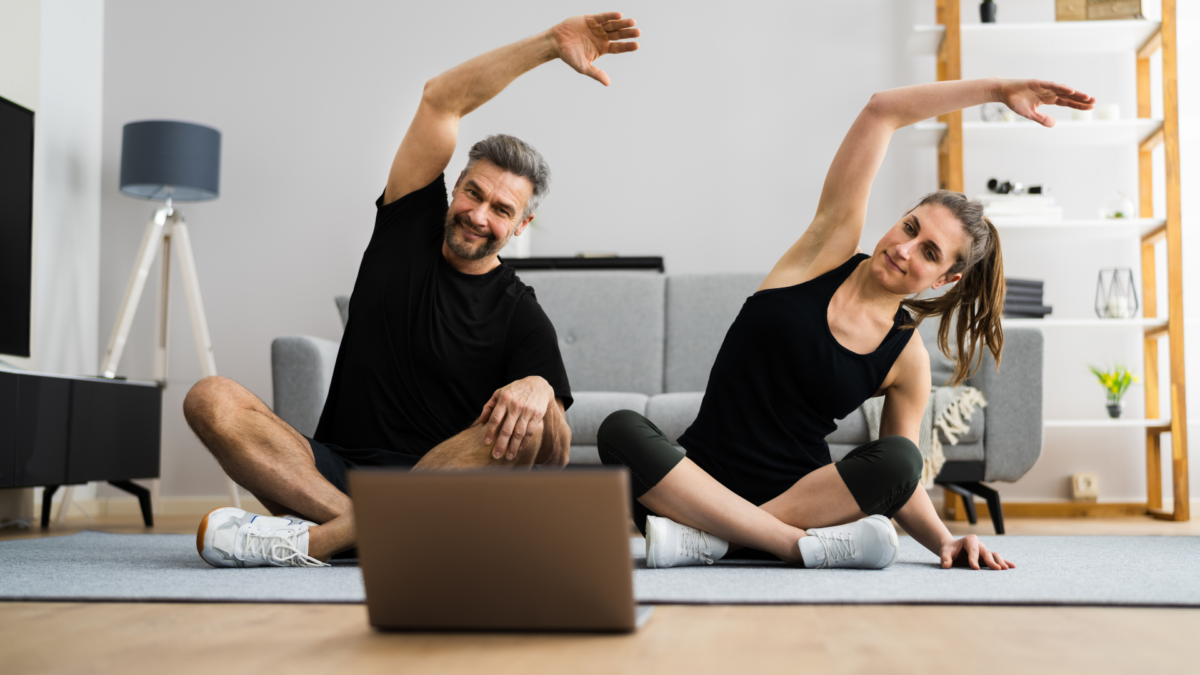
Home workouts can effectively improve strength, flexibility, and overall fitness without any special equipment. Focusing on a mix of bodyweight exercises, flexibility practices, and guided routines helps to cover all key fitness areas.

Bodyweight Movements: Push-Ups, Squats, Lunges, and Planks

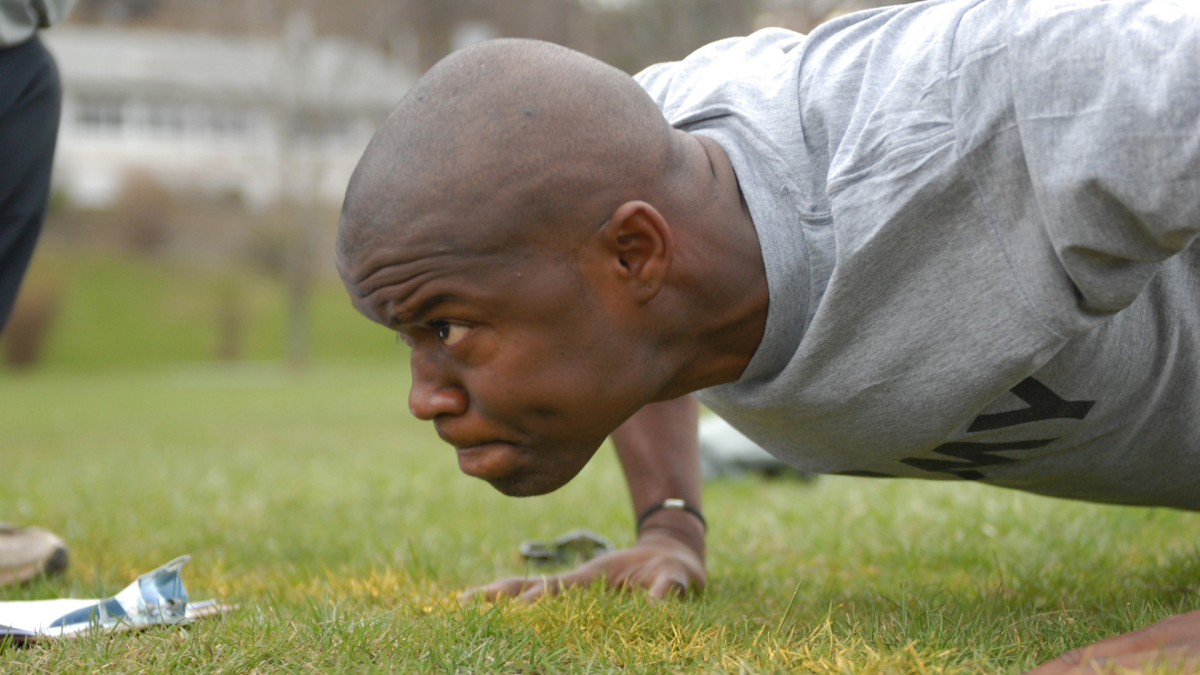
Bodyweight exercises serve as a solid foundation for strength training at home. Push-ups target the chest, shoulders, and triceps, improving upper body strength. Adjust difficulty by changing hand position or doing incline push-ups.

Squats focus on the lower body—quads, hamstrings, and glutes—and support better balance. They can be done with just body weight or with added resistance, like household items.

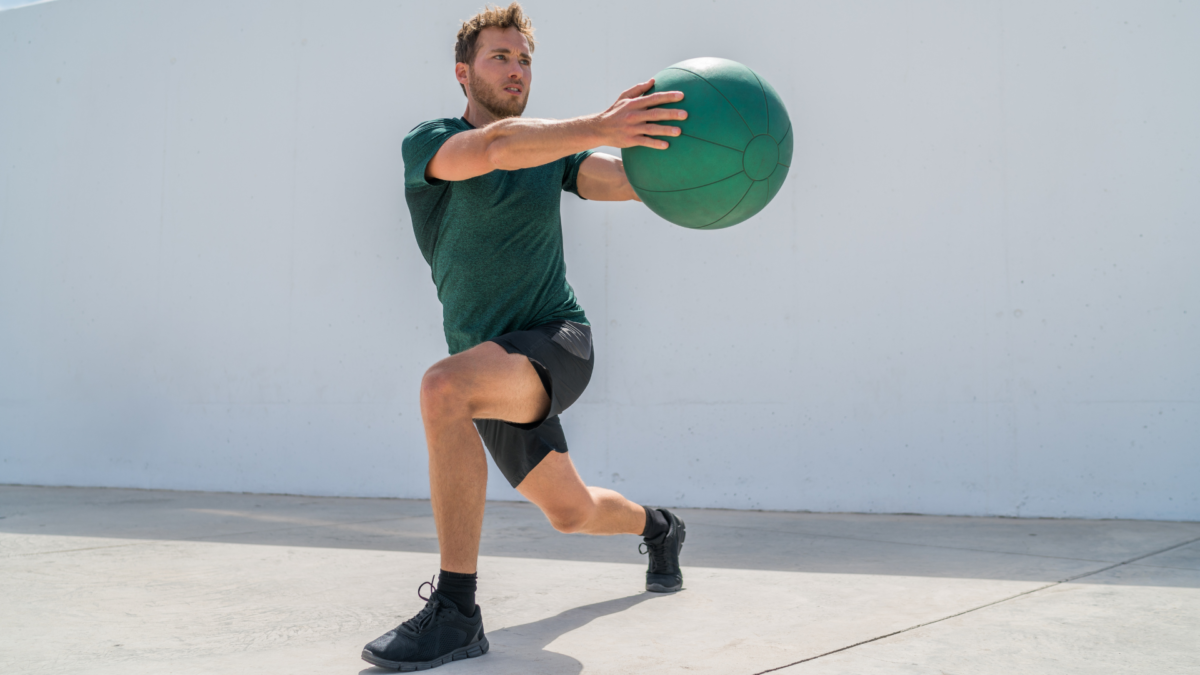
Lunges help improve leg strength and stability. Forward or walking lunges enhance coordination while engaging core muscles.

Planks are excellent for core strength and endurance. Maintaining a straight line from head to heels works the abs, back, and shoulders effectively.

Stretching, Yoga, and Pilates

Stretching routines improve flexibility and reduce injury risk. Dynamic stretches before workouts warm muscles, while static stretches post-workout aid recovery.

Yoga combines stretching with strength and balance work. Poses like downward dog or warrior build flexibility and promote body awareness.

Pilates emphasises controlled movements targeting core stability and posture. It complements other workouts by improving muscle balance and breathing techniques.

Both yoga and Pilates can be tailored to fit all fitness levels and can be done in short daily sessions.

Online Workouts and Fitness Apps

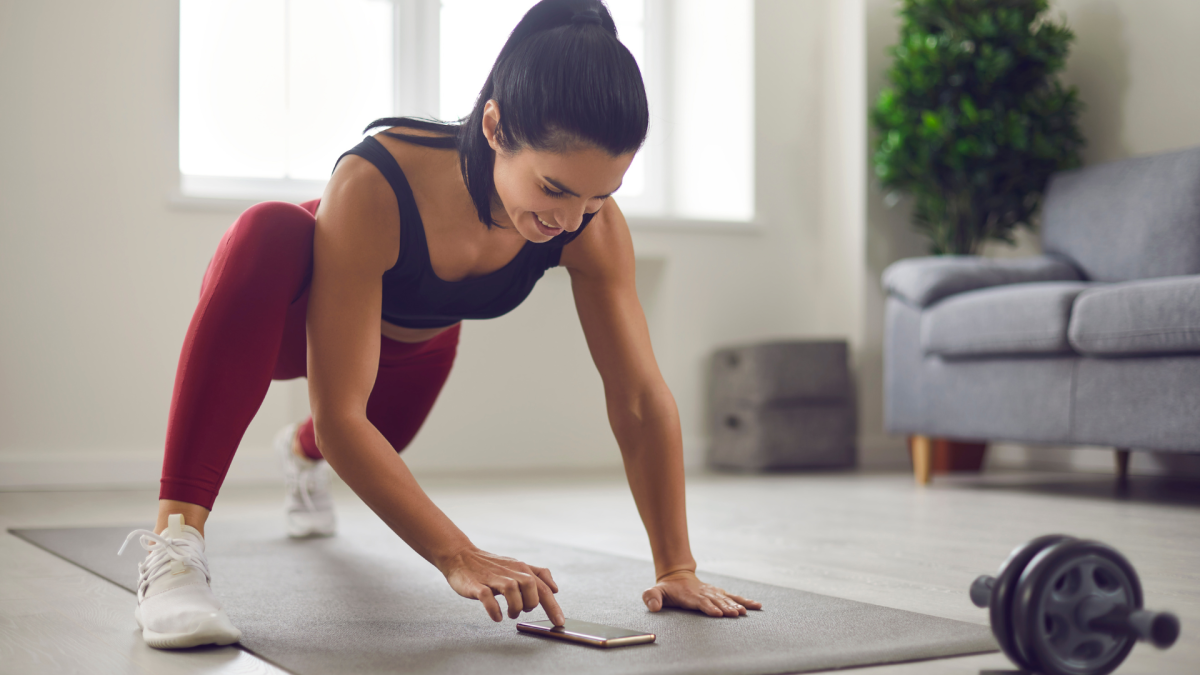
Fitness apps offer a variety of guided sessions for strength, flexibility, and cardio without leaving the house. Many include push-up, squat, and plank modifications for beginners to advanced users.

Online workouts provide structure and motivation through video demonstrations and progress tracking. Apps often feature schedules, reminders, and adjustable difficulty settings.

Examples include apps dedicated to HIIT, yoga, or Pilates. Selecting a programme based on personal goals ensures consistent and effective training at home.

Social and Recreational Ways to Stay Fit

Engaging in social and recreational activities offers enjoyable alternatives to traditional workouts. These activities can improve fitness by combining movement with social interaction, making it easier to stay consistent.

Dancing and Zumba for Fun Movement

Dancing and Zumba provide effective ways to improve cardiovascular health and muscle tone while enjoying rhythmic movement. Zumba combines fast-paced dance moves with aerobic exercises, often set to lively music.

Both activities increase heart rate and encourage full-body movement, which helps burn calories and boost endurance. They suit all fitness levels and can be done at home, in classes, or at social events.

In addition to improving coordination and balance, dancing and Zumba help reduce stress by promoting the release of endorphins. Regular participation supports long-term fitness without the monotony of standard gym routines.

Playing Recreational Sports: Soccer and Tennis

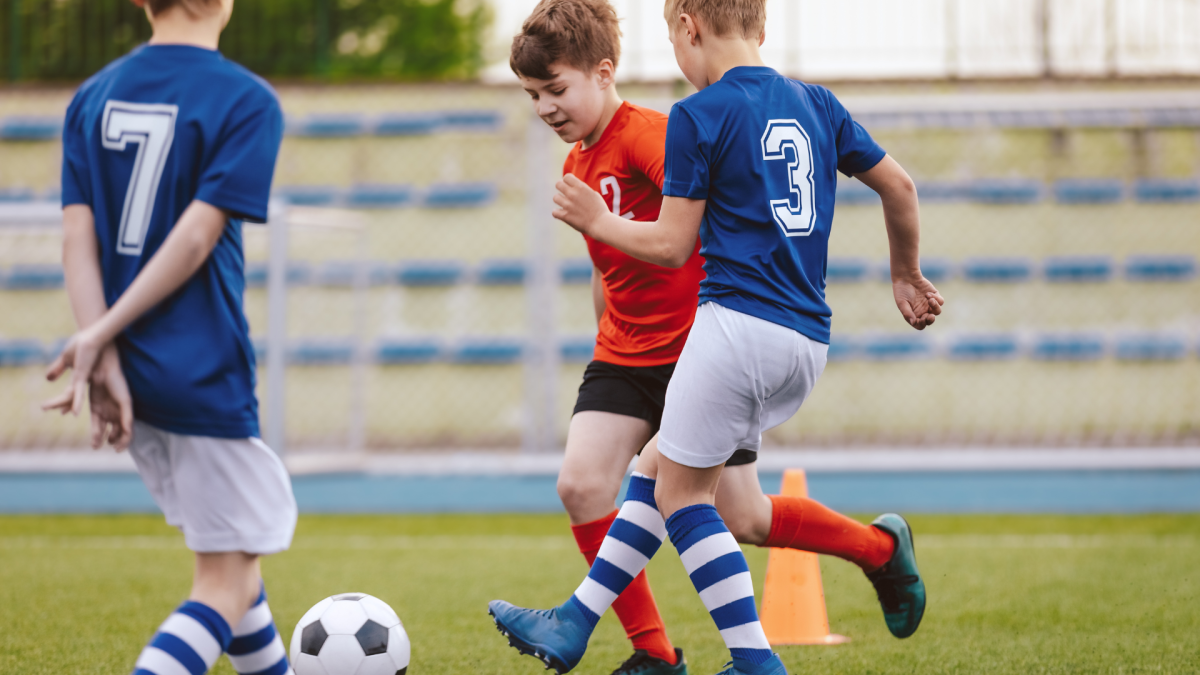
Recreational sports like soccer and tennis offer dynamic ways to stay fit while providing a team or competitive element. Soccer involves sustained running, sprinting, and quick directional changes, enhancing cardiovascular fitness and leg strength.

Tennis requires agility, hand-eye coordination, and bursts of intense activity, which improve aerobic capacity and muscle endurance. Both sports encourage strategic thinking and social interaction.

Players benefit from improved bone density, increased stamina, and better overall body control. These sports are adaptable to various skill levels and promote consistent physical activity in a lively and engaging environment.

Swimming for Cardiovascular Health

Swimming is a low-impact, full-body workout that significantly benefits cardiovascular health. It engages multiple muscle groups simultaneously, improving strength, flexibility, and endurance without putting stress on joints.

Regular swimming sessions increase lung capacity and heart efficiency, aiding in cardiovascular conditioning. The resistance of water also helps build muscle tone more gently than many other forms of exercise.

It is suitable for all ages and fitness levels and can be especially useful for those with injuries or mobility issues. Swimming provides a balanced workout that promotes lasting fitness through controlled, rhythmic movement.

Building Long-Term Motivation and Wellbeing

Sustaining activity requires techniques that address both mental and physical aspects. Practical habits around awareness and measurable progress help maintain enthusiasm and reduce barriers like stress or distraction.

Incorporating Mindfulness and Stress Reduction

Mindfulness increases awareness of the body’s signals, improving focus on physical activity. When individuals practice mindfulness, they tend to feel more connected to their movements, making exercise more intentional.

Simple techniques such as deep breathing, body scans, or mindful walking can be integrated before or during activity. This not only lowers stress hormones but also helps prevent burnout by promoting a calm mindset.

Being mindful also aids recovery by encouraging rest when needed and reducing tension. It supports motivation through a clearer understanding of how exercise affects overall well-being rather than just external results.

Tracking Progress and Staying Motivated

Tracking activity with tools like journals or apps provides concrete data on improvements and patterns. This visibility helps maintain motivation by showing how small, consistent efforts contribute to long-term goals.

Setting specific, measurable targets (e.g., walking 10,000 steps daily or increasing activity duration weekly) keeps efforts focused. Recognising achievements, even minor ones, fosters a sense of progress and satisfaction.

Regular review of goals can adjust challenges to match changing abilities or schedules, preventing frustration. Visual progress charts or rewards tied to milestones can further encourage persistence without relying on external validation.

How to Build a Fitness Routine That Sticks for Lasting Results and Consistency

Building a fitness routine that sticks requires more than just motivation; it demands a clear plan tailored to individual needs and lifestyle. The key is to create a routine that is realistic, enjoyable, and adaptable, ensuring consistent progress without burnout.

Understanding personal goals and preferences allows for a sustainable approach, balancing intensity with recovery. By setting attainable milestones and incorporating variety, the routine remains engaging over time, increasing the likelihood of long-term commitment.

Establishing a Lasting Fitness Routine

Creating a fitness routine that endures requires clear objectives, reliable habits, and activities that motivate. These factors shape a sustainable workout plan that fits the individual’s life and preferences.

Setting Realistic Goals

Goals need to be specific, measurable, and attainable to maintain motivation. For example, aiming to exercise three times a week for 30 minutes is more effective than a vague “get fit” target.

Breaking large objectives into smaller milestones helps track progress. It prevents discouragement and encourages steady improvement.

Goals should reflect personal abilities and schedules. Overambitious targets increase the risk of burnout or injury and lower long-term adherence to a fitness routine.

Building Consistency Through Scheduling

Consistency relies on integrating workouts into daily life at fixed times. Scheduling exercise like appointments creates accountability.

Short, regular sessions often work better than occasional long workouts. For instance, 20-minute sessions every morning can build momentum.

Using reminders or calendar apps supports adherence. This reduces the chance of skipping workouts due to forgetfulness or lack of planning.

Flexibility in the schedule, such as swapping days, helps maintain the routine during unforeseen events.

Choosing Enjoyable Activities

Selecting workouts that are enjoyable increases the likelihood of sticking with the routine. Enjoyment can stem from the type of exercise or the environment.

Variety also prevents boredom and targets different muscle groups. Mixing activities like cycling, swimming, and yoga keeps the routine engaging.

Preferences should consider personal interests, physical limitations, and access to facilities. Enjoyable activities motivate regular participation, which is key to lasting fitness.

Structuring Your Workouts for Success

Creating a routine that fits well and drives progress requires clear planning. It involves mixing different types of exercise, increasing difficulty over time, and scheduling recovery effectively. These elements work together to build consistency and prevent burnout.

Balancing Workout Types

He should include a mix of cardiovascular, strength, and flexibility exercises to cover all fitness aspects. Cardiovascular workouts improve heart health, strength training builds muscle, and flexibility routines reduce injury risk.

A good starting point might be:

Workout Type

Frequency per Week

Examples

Cardiovascular

3-4 sessions

Running, cycling, swimming

Strength

2-3 sessions

Weightlifting, bodyweight

Flexibility

Daily or post-workout

Stretching, yoga

This balance prevents overuse injuries and keeps workouts interesting. Each type targets a different physiological system, promoting well-rounded fitness.

Progression and Adaptation

He must gradually increase workout intensity, duration, or complexity to continue improving. This can mean lifting heavier weights, running longer distances, or adding more challenging movements.

Tracking progress is key. Keeping a workout log helps identify plateaus and adjust routines accordingly. Adaptation also involves listening to the body; if fatigue or pain arises, slowing progression avoids setbacks.

Adjusting variables such as rest time between sets or adding interval training can provide variety while maintaining progression. Small, consistent changes are more effective than sudden leaps.

Planning Rest Days

Rest days are essential for recovery, muscle repair, and avoiding overtraining. She should schedule at least one full rest day weekly, alongside lighter active recovery sessions like walking or gentle yoga.

Ignoring rest can lead to fatigue, reduced performance, and injury. Rest days help maintain motivation and make the routine more sustainable over time.

A balanced routine might cycle between intense and moderate workouts, ensuring recovery phases are built in. Sleeping well and managing stress also enhances the value of rest days.

Overcoming Common Challenges

Building a lasting fitness routine often requires addressing obstacles that can disrupt consistency or slow progress. Key areas include maintaining motivation, accurately tracking improvements, and adjusting to unexpected life changes.

Staying Motivated

Motivation fluctuates, but establishing specific, measurable goals helps maintain focus. Setting short-term targets, like completing a set number of workouts weekly, creates clear milestones.

Incorporating variety into workouts prevents boredom and keeps engagement high. Joining group classes or finding a workout partner can add accountability and social support.

Using reminders, such as calendar alerts or habit-tracking apps, encourages regular exercise. Celebrating small achievements, like increased endurance or strength, reinforces the habit and boosts confidence.

Tracking Progress

Accurate tracking reveals tangible improvements, reinforcing commitment. Using tools like fitness apps, journals, or wearable devices enables monitoring of variables such as duration, intensity, and weights lifted.

Recording metrics weekly helps identify patterns and areas needing adjustment. Visual aids, like charts or progress photos, highlight changes over time more effectively than memory alone.

Tracking also allows for setting realistic goals based on actual performance rather than guesswork. This approach ensures steady progress without risking injury by pushing too hard too soon.

Adapting to Life Changes

Life events and schedules can disrupt a fitness routine. Planning flexible workout options, such as shorter sessions or home-based exercises, ensures continuity during busy or unpredictable periods.

Anticipating challenges like travel, illness, or work demands helps prepare alternatives in advance. Rescheduling missed workouts promptly prevents loss of momentum.

Adjusting goals temporarily to fit current capabilities avoids frustration. Recognising that setbacks are normal encourages resilience and long-term consistency in the fitness routine.

6 Strength Training Tips for Beginners To Build Muscle Safely and Effectively

Starting strength training can be overwhelming for beginners, but with the right guidance, it becomes manageable and effective. Understanding how to approach workouts safely and efficiently is crucial to seeing progress and avoiding injury. The key to success is focusing on proper technique, gradual progression, and consistency.

Many beginners make common mistakes, such as lifting too much weight too soon or neglecting rest, which can hinder results. This article provides six practical tips to help newcomers develop a strong foundation and build confidence in their training routine.

By following straightforward advice tailored for beginners, anyone can make strength training a rewarding part of their lifestyle. These tips are designed to ensure safe practice and steady improvement from the start.

Foundations of Strength Training

Strength training requires consistent effort with proper technique, focusing on gradual progression to improve muscle strength and body composition. Beginners benefit most by understanding key concepts, terms, and the variety of resistance methods available. This base supports safe and effective workouts that also contribute to cardiovascular health and posture.

What Strength Training Involves

Strength training involves exercises that make muscles work against resistance, as a trainer would use weights, bands, or body weight. They cause small muscle fibres to break down and rebuild stronger over time.

Beginners often start with simple movements targeting major muscle groups to build coordination and strength. Sessions typically include sets, repetitions, and rest periods designed to maximise muscle gain without injury. Progression is essential, gradually increasing resistance or repetitions as strength improves.

Benefits of Strength Training for Beginners

For beginners, strength training improves muscle strength, which supports everyday activities and enhances overall fitness. It also positively affects body composition by increasing lean muscle mass and reducing fat.

Regular strength training improves posture by strengthening the muscles that support the spine. It also aids cardiovascular health by increasing metabolic rate and promoting better heart function. These benefits make strength training a critical component of a balanced fitness routine for new exercisers.

Understanding Resistance and Weight Training

Resistance training uses any force that muscles work against, including weights, resistance bands, or body weight. Weight training is a subset focusing specifically on lifting free weights or using weight machines.

Using different resistance types helps target muscles in varied ways, supporting balanced muscle development. Beginners should prioritise proper form and controlled movement to avoid injury and ensure muscles receive appropriate stimulus for growth. Alternating resistance types can prevent plateaus and maintain motivation.

Essential Strength Training Terms

Some terms are key to beginner strength training:

  • Repetition (Rep): One complete movement of an exercise.
  • Set: A group of repetitions performed consecutively.
  • Load: The amount of resistance used, often measured in kilograms or body weight.
  • Progressive Overload: Gradually increasing load or reps to challenge muscles.
  • Rest Period: Time between sets for muscle recovery.

Understanding these terms helps beginners follow training programs effectively and track progress over time.

Six Key Strength Training Tips for Beginners

Strength training requires focus on a few essential principles to build muscle effectively and safely. From mastering techniques to managing recovery, these tips form the foundation for lasting strength gains and steady progress.

Prioritise Proper Form and Technique

Proper form is crucial to prevent injuries and ensure the targeted muscles are worked efficiently. Beginners should learn exercises slowly, focusing on controlled movements rather than heavy weights.

Using mirrors or recording oneself can help identify form issues, but consulting a personal trainer is the most reliable method for personalised guidance. Correct technique reduces the risk of muscle strains and joint problems.

Starting with lighter weights allows for practice without fatigue, compromising form. This approach also reduces delayed onset muscle soreness caused by improper movement patterns.

Begin with Compound Movements

Compound exercises engage multiple muscle groups simultaneously, making them ideal for beginners. Movements like squats, deadlifts, bench presses, and rows offer efficient workouts that build overall strength.

These exercises mimic natural movements, improving coordination and muscle balance. They also stimulate the release of hormones that aid muscle growth more effectively than isolation exercises.

Focusing on compound movements early on provides a solid foundation before adding accessory exercises targeting specific muscles.

Establish a Consistent Training Schedule

Regularity is key to progressing in any fitness programme. Beginners should aim for 3 to 4 strength training sessions per week, allowing muscle groups time to recover between sessions.

Consistency helps the nervous system adapt, improving coordination and increasing strength over time. Skipping too many workouts in a row can stall progress and reduce motivation.

Planning sessions ahead of time and treating them like important appointments increases adherence to the schedule. This steady routine makes strength gains more predictable and sustainable.

Apply Progressive Overload Safely

Progressive overload means gradually increasing the stress placed on muscles to stimulate growth. This can be done by adding weight, increasing reps or sets, or decreasing rest time between sets.

Beginners should increase the load in small, manageable increments to avoid injury. For example, adding 2.5 to 5 kg every 1-2 weeks is a safe progression.

Tracking these changes ensures overload is consistent and measurable. Safe overload prevents plateaus and maximises strength improvements without overtraining.

Track Progress and Set Realistic Goals

Recording workouts provides clarity on improvements and highlights areas needing attention. Keeping a log of reps, sets, weights, and how the body feels can motivate beginners to stick with their programme.

Setting specific, achievable goals like increasing squat weight by 5 kg in a month or performing 10 push-ups helps maintain focus. These targets should be challenging but realistic to avoid frustration.

Regular reassessment every 4-6 weeks supports adjustments in training variables and prevents stagnation.

Focus on Recovery and Avoid Overtraining

Muscle growth occurs during rest, making recovery essential. Beginners should prioritise sleep, nutrition, and hydration to support repair and performance.

Delayed onset muscle soreness (DOMS) after workouts is normal, but persistent or sharp pain may indicate overtraining or injury. Alternating workout intensity and incorporating rest or active recovery days helps avoid burnout.

Ignoring recovery increases injury risk and slows strength gains. Balancing effort and rest optimises results in a sustainable strength training routine.

Selecting the Right Equipment and Exercises

Beginners should focus on practicality and safety when choosing equipment and exercises. The goal is to build strength effectively without overwhelming complexity or excessive cost. Understanding the differences between equipment types will guide better choices for specific needs and spaces.

Choosing Between Free Weights and Machines

Free weights like dumbbells, barbells, and kettlebells offer a wide range of motion and engage stabilising muscles more than machines. They encourage proper form and functional strength but require more balance and coordination. Beginners should start with lighter weights to learn correct technique.

Machines provide more controlled movement paths and often include adjustable settings for resistance. They reduce the risk of injury by limiting complicated motions and are useful for isolating muscle groups. Machines suit those new to strength training or recovering from injury.

Choosing free weights or machines depends on personal preference, fitness goals, and comfort with the equipment. Many beginners benefit from combining both approaches to gain versatility and gradual progression.

Bodyweight and Home Workout Options

Bodyweight strength training requires no equipment and can be done anywhere. It includes exercises such as squats, push-ups, lunges, and planks. These moves build foundational strength and improve mobility, making them ideal for those starting at home.

Home workouts with bodyweight can be varied by increasing reps, sets, or reducing rest. Incorporating resistance bands helps add difficulty and muscle activation without bulky gear. This approach suits people with limited space or budget.

By mastering bodyweight exercises and simple resistance training, beginners develop strength and confidence before introducing external weights.

Must-Have Home Gym Equipment

For effective home workouts, certain equipment pieces provide versatility and progressive challenge. Dumbbells are essential for beginners; they support numerous strength training workouts targeting all major muscle groups. A pair of adjustable dumbbells saves space and costs less over time.

Kettlebells are useful for dynamic movements like swings and goblet squats, adding variety and cardio benefits. Resistance bands complement free weights by offering variable resistance and portability.

A sturdy bench or step platform enhances exercise options but is not mandatory. Investing in this minimal setup creates a functional home gym without clutter.

Building a Beginner Strength Training Routine

A well-structured strength training routine targets major muscle groups, improves functional fitness, and supports lean muscle development. It balances compound exercises with appropriate rest and adapts to individual goals like fat loss or overall strength.

Sample Full-Body Workout Structure

A beginner’s full-body workout generally includes 3 sessions per week, each lasting 45 to 60 minutes. Each session should feature 5 to 7 exercises, combining lower and upper body movements.

A typical structure could be:

  • Warm-up: 5-10 minutes of light cardio and mobility work
  • Main lifts: 3 sets of 8-12 reps for each exercise
  • Cool down: Stretching and light activity to aid recovery

Exercises like squats, push-ups, and rows should alternate with lunges and overhead presses. This setup ensures all major muscle groups engage, promoting strength and lean muscle growth efficiently.

Important Compound Exercises to Include

Focus on compound exercises because they work multiple muscle groups and joints simultaneously. Key movements include:

  • Squats: Target legs, glutes, and core.
  • Deadlifts: Engage the posterior chain, lower back, and hamstrings.
  • Bench press: Develops the chest, shoulders, and triceps.
  • Overhead press: Strengthens the shoulders and upper back.
  • Rows: Improve upper back and arm strength.
  • Push-ups: Build chest, arms, and core stabilisation.
  • Lunges: Enhance balance, leg strength, and coordination.

These exercises support functional fitness, improve fat loss through higher calorie burn, and help beginners build a solid strength base.

Tailoring Programmes for Individual Needs

A beginner should adjust routines based on personal fitness levels and goals. Someone aiming for fat loss might increase reps to 12-15 with shorter rest, focusing on higher volume.

Beginners with limited mobility may reduce weight and emphasise form, gradually progressing to heavier loads. Those prioritising strength should focus on compound lifts with heavier weights and fewer reps (4-6).

Tracking progress weekly helps tailor intensity and exercise selection. Including variety prevents plateaus and keeps motivation high while ensuring balanced muscle development.

Fitness Challenges to Try with Your Friends for Fun and Motivation

Fitness challenges can be a fantastic way to bond with friends while staying active. Engaging in these activities not only boosts physical fitness but also fosters teamwork and motivation among participants. Whether it’s through competing in daily workouts or embarking on a week-long endurance challenge, the key is to find activities everyone can enjoy together.

These challenges can cater to various fitness levels and interests, making them accessible and fun for all. From group runs and yoga sessions to more adventurous outings like obstacle courses, the options are plentiful. Inviting friends to participate adds a layer of accountability, making it easier to stick to fitness goals while enjoying each other’s company.

With a variety of challenges to choose from, it’s possible to keep things fresh and exciting. Participants can share their progress, celebrate milestones, and inspire one another along the way. This not only leads to improved fitness but also nurtures friendships, creating lasting memories through shared experiences.

Popular Fitness Challenges to Try With Your Friends

Engaging in fitness challenges with friends can enhance motivation and make exercise more enjoyable. Various activities cater to different interests and can foster camaraderie while promoting physical activity.

Team-Based Workouts

Team-based workouts encourage collaboration and accountability. These challenges can include circuit training, group aerobics, or partner workouts like a buddy boot camp. Participants can pair up to tackle exercises such as squats, push-ups, or resistance band training.

Key benefits:

  • Encouragement: Friends can motivate one another to push through tough sets.
  • Variety: Different exercises keep the routine interesting and cater to all fitness levels.

Setting specific goals, such as completing a certain number of repetitions or a timed workout, adds an element of competition. Tracking progress through fitness apps can also improve engagement.

Step Count Competitions

Step count competitions are a fun way to promote daily physical activity. Friends can challenge each other to reach a specific step goal over a week or a month. Using fitness trackers to monitor daily steps adds excitement and accountability.

Possible formats:

  • Individual goals: Each friend sets their own target.
  • Group challenges: Friends work collectively to reach a shared milestone.

Groups can create leaderboards to track daily performance, making the challenge more competitive. This type of challenge encourages more walking, jogging, or even dancing throughout the day, fostering a healthier lifestyle.

Fitness Tracker Races

Fitness tracker races combine competition with technology. Participants can use fitness trackers to log workouts, count steps, and monitor heart rates. Challenges can focus on distance or time across various activities.

Points of interest:

  • Variety of activities: Races can include running, cycling, swimming, or outdoor hiking.
  • Performance tracking: Sharing progress through apps keeps friends engaged and accountable.

Setting weekly or monthly goals and rewarding achievements can boost motivation. These races make physical activity measurable and encourage friendly competition among peers.

Obstacle Course Events

Obstacle course events provide an exciting way to challenge friends physically and mentally. These courses usually include various barriers like walls, mud pits, and balance beams, testing agility and strength.

Key features:

  • Team participation: Friends can team up, enhancing cooperation and fun.
  • Skill development: Participants learn to navigate obstacles, improving overall fitness.

Local obstacle races often offer different skill levels, making them accessible for everyone. Preparing together can also serve as a bonding experience, with friends training side by side to conquer the course.

How to Get the Most Out of Group Challenges

Participating in group fitness challenges can significantly enhance individual performance and foster a supportive environment. Focusing on shared goals, tracking progress, and motivating each other are essential components for maximising success within the group.

Setting Meaningful Fitness Goals

Establishing clear and achievable fitness goals is crucial for group challenges. Each member should contribute to defining these targets, ensuring they are specific, measurable, and attainable. For example, setting a goal to complete a 5k run in under 30 minutes is more effective than a vague aim to “get fit”.

Consider using a shared document to outline goals and track advancements. This encourages accountability and promotes discipline. Regularly revisiting these targets keeps everyone aligned and focused. Establishing individual goals alongside group objectives creates a balanced approach that caters to personal ambitions while fostering teamwork.

Tracking Progress Together

Monitoring progress as a group can enhance motivation and performance. There are various methods to keep everyone informed and engaged. Creating a shared progress spreadsheet to log workouts, activities, and achievements allows participants to visualise their improvements.

Incorporating progress photos can also be a powerful tool to highlight physical changes and boost morale. Regular check-ins provide opportunities for reflection and adjustments to goals if necessary. Celebrating milestones, such as completing a challenge or achieving a personal best, reinforces the sense of community and encourages continued effort.

Motivating Each Other

Group dynamics play a significant role in maintaining motivation. Regular encouragement and support create a positive atmosphere that drives individuals to push their limits. Establishing a buddy system can enhance this experience; pairs can offer personalised support during workouts and challenges.

Incorporating friendly competition, such as setting up leaderboards or challenges between team members, can also increase engagement. Celebrating each other’s successes fosters camaraderie and reinforces commitment to group goals. By sharing achievements and supporting one another, individuals can develop not only physical strength but also mental resilience, contributing to overall success in their fitness journey.

Integrating Nutrition and Wellness For Lasting Results

Nutrition and wellness play crucial roles in achieving lasting fitness results. By incorporating a balanced diet, encouraging hydration, and avoiding unhealthy habits, individuals can support their fitness journeys effectively.

Building a Healthy Eating Plan

A well-structured eating plan is vital for those engaging in fitness challenges. It should include a balance of protein, healthy fats, and carbohydrates.

  • Protein Sources: Incorporate lean meat, fish, legumes, and dairy. Aim for protein in every meal to support muscle recovery and growth.
  • Healthy Fats: Include sources like avocados, nuts, and olive oil. These fats provide essential fatty acids and help with nutrient absorption.
  • Carbohydrates: Focus on whole grains, fruits, and vegetables. These provide energy for workouts and essential micronutrients.

Planning meals together can strengthen social bonds and ensure everyone remains committed to their nutrition goals.

Supporting Each Other’s Hydration and Recovery

Hydration is often overlooked but is critical in any fitness regimen. Encouraging friends to maintain proper fluid intake can enhance performance and speed up recovery.

  • Daily Goals: Each individual should aim for around 2 to 3 litres of water daily, depending on activity levels. Use water bottles with measurement marks to track intake.
  • Recovery Strategies: Incorporate active recovery techniques, such as light yoga or walking, to promote muscle healing. Pair these with adequate sleep and relaxation for optimal benefits.

Sharing hydration tips and setting group water challenges can foster a culture of wellness among friends.

Avoiding Alcohol and Unhealthy Temptations

Minimising alcohol consumption is crucial when pursuing fitness goals. Alcohol can hinder recovery and lead to poor dietary choices.

  • Alcohol Impact: Alcohol provides empty calories and may disrupt sleep patterns, negatively affecting performance.
  • Healthy Alternatives: Opt for non-alcoholic drinks during social gatherings. Consider sparkling water with fresh fruit or herbal teas.

Encourage each other to identify and avoid unhealthy temptations, like junk food. Planning healthier snack options for gatherings can keep everyone focused on their goals. This collective approach helps maintain commitment to wellness.

Famous Fitness Challenges to Inspire Your Group

Fitness challenges are effective ways to motivate friends while developing discipline and mental strength. Two notable challenges are the 75 Hard and 75 Soft Challenges, each with unique principles that can inspire commitment and teamwork.

75 Hard Challenge and Its Core Principles

The 75 Hard Challenge, created by Andy Frisella, is a transformative programme lasting 75 days. Participants must adhere to five core rules:

  • Follow a Diet: Choose a nutritional plan that meets individual goals, avoiding alcohol and cheat meals.
  • Daily Workouts: Complete two 45-minute workouts each day, with one being outdoors.
  • Hydration: Drink at least 4 litres of water daily.
  • Reading: Read 10 pages of a non-fiction book related to personal development each day.
  • Progress Picture: Take a daily progress photo to track transformation.

Completion demands discipline and consistency, which can foster a strong mental attitude.

75 Soft Challenge Adaptations

The 75 Soft Challenge offers a more flexible alternative for those seeking a gentler approach. While it shares some elements with the 75 Hard Challenge, it allows participants to adjust the rules based on personal capabilities. Key adaptations include:

  • Diet Flexibility: Participants can choose a more forgiving diet while still focusing on healthy eating.
  • Workout Variety: Unlike the rigorous two-a-day requirement, the 75 Soft allows for varied exercise durations and intensities.
  • Hydration: While daily water intake is encouraged, the quantity can be adjusted based on individual needs.

This challenge supports mental health by allowing individuals to engage at their own pace while fostering community spirit.

Andy Frisella’s Approach to Mental Health

Andy Frisella emphasises that mental health is integral to personal growth and discipline. His strategies encourage individuals to push beyond their limits, building resilience and a positive mindset. The principles of both the 75 Hard and 75 Soft Challenges align with this belief.

He advocates for facing discomfort, as it strengthens mental fortitude. Exercising discipline through structured challenges can combat negative thoughts and promote overall well-being. Frisella’s focus on community support during these challenges creates an environment of accountability, essential for long-term success and improved mental health.

How Fashion Influences Your Fitness Mindset: The Impact of Style on Motivation and Performance

Fashion plays a significant role in shaping an individual’s fitness mindset. The right workout attire can enhance motivation and confidence, leading to better performance and a more positive outlook on fitness goals. When someone feels good in their activewear, they are more likely to engage in exercise and maintain their commitments to health.

Trends in fitness clothing not only reflect personal style but also influence how people perceive themselves during workouts. When individuals invest in high-quality, stylish gear, they may find themselves more excited about exercising and thus more inclined to stick with their routines.

The connection between appearance and performance in fitness cannot be underestimated. Wearing fashionable and functional clothing fosters a sense of readiness and empowerment, which is essential for achieving fitness aspirations. This synergy between fashion and fitness contributes to a holistic approach to well-being.

The Psychological Connection Between Fashion and Fitness

The intersection of fashion and fitness plays a significant role in shaping an individual’s mindset towards exercise and wellness. The right attire can impact motivation, self-expression, and how one perceives their body within fitness culture.

How Wearing Stylish Activewear Shapes Motivation

Stylish activewear can enhance an individual’s motivation to engage in fitness activities. Research indicates that wearing visually appealing clothing can boost confidence.

When individuals feel good in their outfit, they are likely to approach workouts with a more positive attitude. This is particularly true for fitness enthusiasts who invest in high-quality, fashionable activewear.

A well-chosen ensemble can act as a psychological cue, signalling readiness for exercise. People often report feeling more motivated to work out when they perceive their clothing as an extension of their personal style.

Self-Expression and Body Positivity in Fitness Culture

Fashion serves as a platform for self-expression within the fitness community. Many individuals utilise their workout attire to showcase their identities and embrace body positivity.

This expression can promote inclusivity and foster a positive relationship with one’s body. By choosing outfits that reflect personal style, individuals may feel more comfortable and empowered during physical activities.

For many women, physical changes after pregnancy make it hard to feel comfortable in activewear. They often find that diet and exercise alone do not restore their previous shape. Some mothers choose to address these changes through cosmetic procedures to regain their confidence. Those who want to restore their pre-pregnancy body often look into options like a mommy makeover los angeles to help them feel like themselves again. Feeling good in your body makes it much easier to stay active and enjoy fitness.

Diverse fashion trends encourage individuals of all shapes and sizes to participate in fitness without fear of judgment. The activewear market is now increasingly inclusive, appealing to a broader range of body types and promoting acceptance.

Influence of Social Media and Modern Fashion Trends

Social media platforms like Instagram significantly impact fitness trends and fashion choices. Influencers often showcase stylish activewear, creating aspiration and setting standards for fitness apparel.

This exposure cultivates a culture where fashionable fitness attire becomes a norm, further motivating individuals to invest in their appearance while exercising. Trends in modern fashion evolve rapidly, influencing what’s available in the marketplace.

Moreover, the visibility of diverse body types on social media can promote body positivity, encouraging individuals to embrace their unique shapes. This results in a healthier mindset towards fitness and well-being, whereby individuals express themselves freely through their clothing choices.

Choosing the Right Fitness Fashion: Impact on Performance

Selecting appropriate fitness fashion directly affects performance, motivation, and overall experience during workouts. Key elements include comfort, technical features, and durability of the materials used.

Selecting Activewear for Comfort and Flexibility

Comfort is paramount when choosing activewear. Clothes that allow for free movement ensure focus on the workout rather than discomfort. Fabrics like spandex and Lycra provide the necessary stretch, making them ideal for activities such as yoga and dance.

Activewear should fit snugly without being restrictive. This balance allows for a better range of motion during exercises. Look for items that offer a comfortable waistband and flat seams, which reduce friction against the skin.

Breathable materials are essential to wicking away sweat and keeping the body cool. This feature is especially important in high-intensity workouts where sweat is prevalent.

Performance-Enhancing Features: Fabrics and Technology

Modern activewear incorporates innovative fabrics that enhance performance. Technical fabrics often include moisture-wicking properties, which help regulate body temperature during exercise.

Compression technology is another notable feature. It supports muscle alignment and circulation, potentially improving endurance. Such materials can also aid in post-performance recovery by reducing muscle soreness.

Choosing items with built-in UV protection can also be beneficial for outdoor workouts. Additionally, reflective elements are advantageous for those who exercise in low-light conditions.

Durability and Quality for Long-Term Motivation

Durability is a crucial factor in fitness fashion. High-quality activewear withstands extended wear and frequent washing without losing its shape or functionality. Prioritising well-constructed garments ensures cost-effectiveness over time.

Investing in quality items fosters motivation and dedication to fitness routines. Activewear that retains performance characteristics, even after repeated use, promotes a positive mindset.

When shopping, pay attention to the stitching, fabric quality, and brand reputation. Brands known for their emphasis on durability often provide a better guarantee for long-term satisfaction.

Key Fashion Items Shaping Fitness Mindset

Fashion plays a significant role in shaping one’s fitness mindset by influencing comfort and motivation. The right clothing can enhance performance and promote a positive attitude towards exercise.

Athleisure and Casual Wear: Bridging Fashion and Fitness

Athleisure combines athletic wear with casual styles, allowing individuals to transition seamlessly from workouts to daily activities. This trend not only promotes versatility but also encourages more people to engage in fitness.

People are now inclined to wear sporty looks even outside the gym. This shift creates a culture where fitness is not just a task but a lifestyle choice. Athleisure often incorporates breathable, moisture-wicking fabrics that maintain body temperature during workouts. This functionality makes the aesthetic appealing while supporting an active routine.

Must-Have Items: Leggings, Sports Bras, and Sneakers

Leggings are fundamental in modern fitness fashion. They provide support and flexibility, accommodating various workouts from yoga to high-intensity training. High-waisted styles offer additional core support.

Sports bras are crucial for comfort and minimise movement during exercise. When selecting a sports bra, one should consider the level of support required based on activity type. Styles vary from low to high-impact, catering to different preferences.

Quality sneakers are essential for any fitness-minded individual. Well-fitted shoes reduce the risk of injury and enhance performance. Notably, features such as cushioning and arch support vary significantly across brands, making it vital to choose the right pair for specific activities.

Fashionable Options for a Range of Physical Activities

Different activities demand specific attire to ensure comfort and performance. For running, lightweight fabrics that wick moisture away from the body are preferred. These help maintain comfort even during intense movement.

In Pilates or yoga, flexibility is crucial. Hence, high-stretch leggings and fitted tops allow for a full range of motion. Breathable fabrics are essential in this context as they provide comfort during longer sessions.

Cycling requires unique gear, such as padded shorts and shoes designed for power transfer. These items often feature reflective details for safety during evening rides. Selecting appropriate clothing impacts not only performance but also enjoyment and adherence to the fitness routine.

Enhancing the Fitness Experience Through Fashion

Fashion plays a significant role in shaping an individual’s fitness mindset. By integrating inclusivity, technology, and convenience, modern fitness apparel enhances not only performance but also the overall workout experience.

The Role of Inclusivity and Fashion-Forward Thinking

Inclusivity in fitness fashion ensures that individuals of all body types and backgrounds feel welcomed. Brands are now offering a wider range of sizes and styles. This shift encourages more people to engage in physical activity.

Fashion-forward thinking has led to the emergence of aesthetic, functional designs. Items are crafted for both style and utility, allowing individuals to express their personalities while pursuing fitness goals. For example, bold colours and unique patterns can motivate and inspire engagement in workouts.

As fitness fashion becomes more inclusive and body-positive, it highlights the importance of feeling confident and comfortable in one’s own skin. Sometimes, achieving that confidence also involves addressing changes in body shape or past procedures, and breast revision Denver can be a thoughtful option to restore balance and proportion. When paired with clothing that fits well and suits their style, these choices help individuals move, perform, and feel their best throughout their fitness journey.

Integration of Technology and Wearable Devices

The integration of technology has revolutionised fitness wear. Devices, such as the Apple Watch, offer features like heart rate monitoring and activity tracking. These innovations help users stay informed about their fitness levels and progress.

Wearable devices can also provide real-time updates and coaching. This feedback helps individuals optimise their workouts for maximum effectiveness. Moreover, syncing with fitness apps enhances the experience by allowing for tailored training programmes.

Recovery and Convenience in Modern Fitness Fashion

Modern fitness fashion prioritises recovery and convenience. Many athletic brands now incorporate materials that provide compression and support, aiding muscle recovery. These features help in reducing injury risk and improving performance.

Convenience is also paramount. With moisture-wicking and quick-dry fabrics, users can transition seamlessly from workout to daily activities. Items designed with pockets for phones and essentials enhance practicality, making it easier for individuals to stay fit without sacrificing style.

How to Stay Fit While Working from Home: Effective Tips and Strategies

Working from home presents unique challenges when it comes to maintaining fitness. With the lure of a comfortable sofa and the convenience of snacks just a few steps away, it can be easy to neglect physical wellness. Incorporating regular movement, structured exercise, and mindful eating habits into a daily routine can help anyone stay fit while working remotely.

Setting a dedicated schedule can make a significant difference in creating balance. Short, frequent breaks for stretching or quick workouts can enhance energy levels and productivity. Additionally, creating a well-organised workspace that encourages movement can combat the sedentary nature of remote work.

It is also essential to foster a mindset that prioritises health alongside professional responsibilities. By using available resources such as online fitness classes or apps, one can maintain motivation and accountability. Making these small adjustments can lead to a healthier lifestyle, even in a home office setting.

Establishing an Effective Home Fitness Routine

Creating a fitness routine at home involves setting specific goals, maintaining consistency, and ensuring an appropriate workout environment. These components can greatly influence the success of a home fitness regimen.

Setting Clear Fitness Goals

Defining clear and achievable fitness goals is essential for maintaining motivation. Individuals should identify both short-term and long-term targets. Short-term goals might include completing three workouts a week, while long-term goals could focus on achieving a particular fitness level or weight.

Utilising the SMART criteria can clarify these objectives. Goals should be Specific, Measurable, Achievable, Relevant, and Time-bound. For instance, rather than saying, “I want to get fit,” one might establish a goal to “run 5 km in under 30 minutes within two months.” This specificity provides direction and a sense of accomplishment.

Creating a Consistent Exercise Schedule

A consistent exercise schedule is vital for integrating fitness into daily life. Individuals should assess their routines and identify suitable time slots for workouts. Setting aside a dedicated time for exercise—ideally at the same time each day—helps to make physical activity a habitual part of life.

It can be beneficial to incorporate flexibility into the schedule. If morning workouts become unmanageable, consider switching to afternoons or evenings. Using digital calendars or fitness apps can serve as reminders and keep track of progress, ensuring adherence to the plan.

Designing a Home Workout Space

A designated workout space fosters focus and motivation for home fitness routines. This area should be well-lit, clutter-free, and equipped with essential exercise tools, such as mats, resistance bands, or weights. Personal touches, like motivational posters or plants, can enhance the atmosphere.

Ensuring enough space to move freely is crucial for the various types of workouts. If space is limited, individuals can still modify exercises to suit smaller areas. Maintaining a comfortable temperature and access to water will also contribute to a more effective workout experience.

Diverse Exercise and Movement Strategies

Staying fit while working from home involves utilising a variety of exercise routines and movement tactics. Incorporating different forms of physical activity can help overcome the challenges of a sedentary lifestyle.

Incorporating Bodyweight Exercises

Bodyweight exercises are an efficient way to maintain fitness at home. These exercises require minimal equipment and can be performed anywhere. Examples include push-ups, squats, and leg raises.

  • Push-ups strengthen the upper body and core, promoting stability and endurance.
  • Squats engage the lower body, enhancing leg strength and flexibility.
  • Leg raises focus on core muscles, improving abdominal strength.

Aim for circuits that alternate between these exercises. For instance, a routine might consist of three sets of ten repetitions for each exercise, allowing for brief rest periods in between.

Utilising High-Intensity Interval Training

High-Intensity Interval Training (HIIT) offers an effective workout in a short period. This training method alternates between intense bursts of exercise and fixed periods of less-intense activity or rest.

For instance, a simple HIIT session might include:

  • 30 seconds of jumping jacks
  • 30 seconds of rest
  • 30 seconds of burpees
  • 30 seconds of rest

Repeat this cycle for 15-20 minutes. HIIT can elevate heart rates, boost metabolism, and improve cardiovascular health, making it a time-efficient option for busy individuals.

Integrating Daily Stretching

Incorporating stretching into the daily routine is crucial for maintaining flexibility and preventing injuries. Stretching can be performed at various points throughout the day.

  • Neck stretches can relieve tension from long hours at a computer.
  • Hamstring stretches can enhance lower body flexibility and reduce tightness.
  • Shoulder stretches help combat stiffness.

Aiming for 5-10 minutes of stretching several times a day is beneficial. This practice encourages blood flow and helps to counteract the effects of prolonged sitting.

Optimising Physical Activity During Work Hours

Maximising physical activity during work hours is vital for maintaining health. Simple adjustments can significantly increase daily movement.

  • Take the stairs instead of lifts whenever possible.
  • Stand up and stretch every hour to break long sitting periods.
  • Use a walking desk if feasible, allowing for movement while working.

Additionally, consider scheduling short activity breaks. Even brief walks around the home or office can integrate movement throughout the day and contribute to an active lifestyle.

Supporting Wellness Beyond Exercise

Staying fit while working from home involves more than just physical exercise. Focusing on mental health, maintaining an active lifestyle, supporting the immune system, and finding motivation are crucial aspects that contribute to overall wellness.

Combatting a Sedentary Lifestyle

A sedentary lifestyle can lead to numerous health concerns, including weight gain and cardiovascular problems. To counteract this, he or she can incorporate short bursts of activity throughout the day. Simple actions, such as standing while on a call or taking short walks every hour, can make a significant impact.

Setting reminders to move can also promote activity. They might consider a timer or an app that prompts them to stretch or walk. Creating a comfortable workspace that encourages movement, such as using a standing desk or a balance ball, will further support this goal.

Nurturing Mental Health While Working Remotely

Mental health is just as vital as physical health. Individuals should create a structured routine that includes designated break times to recharge. This could involve stepping away from the workspace to engage in hobbies or spending time with family.

Practising mindfulness or meditation can alleviate stress. They may explore guided meditations through apps or online resources, dedicating even five minutes daily to help centre their thoughts. Regular social interactions, even virtually, will strengthen connections and reduce feelings of isolation.

Boosting the Immune System Through Healthy Habits

A strong immune system is essential for overall well-being. To support it, individuals should focus on a balanced diet rich in fruits, vegetables, and whole grains. Foods high in vitamins C and D can enhance immune function.

Staying hydrated is also crucial for a healthy immune response. Drinking adequate water throughout the day is vital. Incorporating regular sleep patterns will further improve immunity, as insufficient sleep can weaken the body’s defence mechanisms.

Staying Motivated and Accountable

Motivation can wane when working from home. To maintain discipline, individuals can set personal fitness goals and track progress. This may involve using fitness apps or journals to record workouts and achievements.

Establishing an accountability partner can provide support, encouraging one another to stay committed to fitness objectives. Joining online fitness groups or classes creates a sense of community. Engaging with like-minded individuals reinforces motivation and makes staying fit more enjoyable.

When and Why to Consider Professional Tree Lopping Services

Have you ever looked out at your yard and noticed a tree that’s starting to take over more than its fair share of space? Maybe its branches are sprawling dangerously close to your roof, or perhaps it’s blocking out sunlight where you’d prefer a garden to thrive. If you’ve found yourself in this situation, you’re not alone. Trees are a beautiful and valuable part of any property, but they occasionally need a helping hand to stay healthy and safe. That’s where professional tree lopping services come in.


What Is Tree Lopping?

Tree lopping Boonah involves trimming and reshaping specific branches or sections of a tree to improve its structure, health, or appearance. Unlike pruning, which is more focused on selective cuts to enhance growth, lopping can be a bit more intensive and often involves cutting larger branches. While this might sound simple, it’s a skilled process that requires careful planning to avoid damaging the tree or creating potential hazards.

Professional lopping goes beyond a quick trim. It considers the tree’s health, safety risks, and how the changes will affect its growth in the long term.


When Should You Consider Tree Lopping?

There are several situations where lopping is the right approach. Here are some common reasons why homeowners and property managers choose this service:

1. Overgrown Trees

Is your tree starting to overshadow your entire yard? When branches spread too far, they can block sunlight, encroach on neighbouring properties, or make it impossible to enjoy your outdoor space fully. Lopping can restore balance by removing excess growth while keeping the tree healthy.

2. Safety Concerns

Do you have branches hanging dangerously close to powerlines or your roof? Over time, trees can pose a significant risk to people and property, especially during storms. By addressing these hazards early with tree lopping, you can prevent costly accidents or damage. For this reason, getting the assistance of a professional Tree Felling and lopping service can be beneficial to create a safer environment. Professionals can assess the situation and recommend the best course of action, whether it be lopping or complete removal.

3. Disease or Damage

If a tree is partially damaged or showing signs of disease, lopping can remove the affected sections before the problem spreads. This can save the tree from needing to be completely removed and help it recover its strength.

4. Improving Tree Health

Trees occasionally grow unevenly, with some branches taking up more nutrients and leaving the rest of the tree weaker. Professional lopping redistributes growth, ensuring the entire tree remains strong and stable.

5. Aesthetic Reasons

Sometimes, it’s all about appearance. If a tree is growing in an awkward shape or looks untidy, lopping can restore its natural beauty and keep your property looking its best. Additionally, sometimes after a tree has been removed, dealing with the remaining stump, which can be an eyesore or a tripping hazard, can be a challenge. Hence, for effective Red Deer stump removal, specialized services are available to grind down the stump below ground level, allowing for landscape restoration and preventing regrowth.


Why Choose Professional Tree Lopping Services?

It might be tempting to grab a saw and handle the task yourself, but tree lopping isn’t a DIY-friendly project. Here’s why hiring professionals is worth it:

Expertise Matters

Tree lopping is a complex process that involves more than just cutting branches. It requires a deep understanding of tree growth patterns to determine how much to trim without causing harm, as well as identifying which branches should be removed to maintain optimal health. This intricate balance is crucial for the long-term well-being of your trees. Why hire an arborist? These professionals bring specialized training and expertise to the task, ensuring that pruning is done correctly to prevent unnecessary damage and promote healthy tree growth. By hiring an arborist, you not only safeguard your trees but also protect your property from potential hazards.

Safety Comes First

Climbing trees with tools in hand can be dangerous, especially when dealing with tall trees or branches near power lines. In such situations, hiring a Tree Surgeon would be the safest and most reliable choice. Such a professional can ensure the job is done with the right equipment, training, and safety measures, thereby minimizing risks to both themselves and your property. Moreover, they know how to assess hazards, plan safe cutting strategies, and prevent accidents that could otherwise lead to costly damage or injuries.

Long-Term Results

Improper lopping can lead to weak regrowth or even kill the tree, leaving you with a bigger problem than you started with. Professionals ensure the tree is trimmed in a way that promotes healthy, stable growth for years to come.

Time and Convenience

Lopping is time-consuming and physically demanding, especially if you’re not used to handling heavy tools or working at heights. A professional team can handle the job quickly and efficiently, saving you the hassle.

Clean-Up Included

A major benefit of hiring professionals is that they handle the mess. Cutting branches generates a lot of debris, but most services include clean-up, leaving your yard tidy and ready to enjoy.


What to Look for in a Tree Lopping Service

If you’ve decided it’s time to call in the experts, how do you choose the right team? Keep these factors in mind:

  • Experience and Qualifications – Look for a company with certified arborists or extensive experience in tree care.
  • Insurance – Ensure the service is fully insured to protect against accidents or damage.
  • Reputation – Check reviews and testimonials to see what other customers have to say about their work.
  • Services Offered – Some companies offer additional services like pruning, stump removal, or pest treatment, which can be helpful if your tree needs extra care.
  • Pricing and Transparency – Get a detailed quote upfront to avoid surprises and ensure the cost aligns with your budget.

How to Maintain Your Trees After Lopping

Once the lopping is done, you’ll want to ensure your trees stay in top shape. Regular watering, fertilising, and occasional pruning can help maintain their health and appearance. Keep an eye on any new growth to ensure it’s developing evenly, and consider scheduling periodic check-ups with a professional arborist.

Remember, trees are living organisms that benefit from ongoing care. By keeping up with their needs, you can enjoy their shade, beauty, and environmental benefits for years to come.


Your Trees Deserve the Best Care

Trees are an incredible part of your property. They provide shade, improve air quality, and boost the overall look of your space. But when they grow out of control or become a safety hazard, professional tree lopping services can make all the difference.

Whether you’re dealing with an overgrown giant, a tree that’s seen better days, or simply want to enhance the look of your yard, professional lopping is a reliable and effective solution.

Top Features to Consider When Ordering Custom Pickleball Paddles

Pickleball has taken off in recent years, blending elements of tennis, badminton, and ping pong into a fast-paced, exciting game. Whether you’re playing competitively or just for fun, your paddle is a crucial part of your game. Choosing the right one can feel a bit overwhelming with all the options available. How do you make sure your paddle is designed to match your playing style? That’s where customization comes in. By creating a paddle tailored to your needs, you can gain an edge on the court and truly enjoy the game.


Weight: Light, Heavy, or Just Right?

Weight is often the first thing players notice about a paddle, and it can significantly impact how you play. Are you someone who loves quick reactions and control at the net? A lighter paddle might be the way to go, as it’s easier to maneuver. On the other hand, if you rely on power to dominate from the baseline, a heavier paddle gives you that extra oomph to drive the ball across the court.

Most custom pickleball paddles fall between 6.8 to 8.5 ounces, so consider your strengths and weaknesses. Think about your playing style and comfort. A paddle that feels great in someone else’s hands might not work for you, so don’t be afraid to experiment before finalizing your choice.


Grip Size: Comfort Meets Control

A comfortable grip can make all the difference during long games. The grip size you choose affects not only your comfort but also your control over the paddle. A grip that’s too small can strain your hand, while one that’s too large may reduce your wrist flexibility. Neither situation is ideal for consistent play.

When customizing your paddle, measure your hand carefully. Most manufacturers offer sizes ranging from 4 to 4.5 inches in circumference, but some custom shops can go beyond these ranges. If you’re unsure, it’s safer to go slightly smaller since you can add an overgrip to adjust the fit later.


Core Material: What’s on the Inside Counts

Pickleball paddle cores aren’t just about fancy materials; they determine how your paddle plays. The three most common core types are:

  • Polypropylene honeycomb – Offers a soft touch and excellent control, perfect for players who focus on placement and spin.
  • Nomex honeycomb – A firmer, louder option that delivers a satisfying “pop” and extra power.
  • Aluminum honeycomb – Balances power and control but is slightly heavier, making it great for intermediate and advanced players.

Each material has its pros and cons, so think about what will give you the edge based on how you play. For example, if you like to mix finesse with power, a hybrid core could give you the best of both worlds.


Paddle Face Material: More Than Just Looks

The face material—or surface layer—has a huge influence on spin, power, and durability. Here are the common options:

  • Fiberglass (composite) – Lightweight and affordable, fiberglass surfaces enhance spin and control but sacrifice a bit of power.
  • Carbon fiber – A premium choice that’s both strong and lightweight. It’s ideal for advanced players who want precision and durability.
  • Graphite – Known for its balance, graphite surfaces provide power and control without adding too much weight.

The surface texture is also worth considering. A grittier surface can help you generate more spin, while smoother options are better for straightforward shots.


Shape: Think Beyond the Standard Rectangle

Standard paddle shapes are great, but custom designs let you tweak dimensions to suit your preferences. A longer paddle gives you extra reach, which is great for defensive players. However, it might sacrifice some control. On the flip side, wider paddles offer a larger sweet spot, which is a lifesaver if you’re still working on accuracy.

Customizing the shape can also make the paddle feel more balanced in your hand, which is especially useful if you’re prone to fatigue during long matches.


Aesthetic Customization: Make It Yours

Sure, performance is key, but who says your paddle can’t look good too? Many players opt for personalized designs to make their paddle stand out. Whether it’s your favorite colors, patterns, or even your name or logo, the possibilities are endless.

While aesthetics won’t directly impact your game, having a paddle that reflects your personality can give you an extra confidence boost on the court. Just make sure the design doesn’t compromise the durability or weight balance of the paddle.


Handle Length: Short or Long?

Don’t overlook the handle when customizing. A longer handle works well for players who use a two-handed backhand, offering extra leverage and reach. If you prefer a single-handed grip or prioritize maneuverability, a shorter handle might be a better fit.

Remember, the handle length and grip size work together to create the paddle’s overall feel, so make adjustments that complement each other.


Budget: Balancing Quality and Price

Custom paddles often cost more than standard ones, but that extra investment can be worth it if you’re serious about improving your game. Set a budget before you start designing, and don’t feel pressured to splurge on every upgrade. Prioritize features that directly impact your gameplay, like weight, core material, and grip size, over purely aesthetic customizations. After all, pickleball is becoming more and more popular, so every edge matters. 


Take Your Game to the Next Level

Ordering a custom paddle isn’t just about picking features—it’s about creating something that feels like an extension of your hand. When you’re confident in your paddle, it shows in your game. By considering factors like weight, grip size, core material, and even aesthetics, you’re not just getting equipment—you’re investing in a better playing experience.

Take the time to choose wisely, and you’ll feel the difference every time you step onto the court. Whether you’re competing in a tournament or enjoying a casual game with friends, having a paddle tailored to your needs can elevate your play to a whole new level.

Top Fitness Trends to Try This Year for Optimal Health and Wellbeing

As the year unfolds, the fitness landscape continues to evolve, bringing new and exciting trends for individuals seeking fresh ways to enhance their workout routines. In 2025, integrating technology into fitness, exploring mindful movement practices, and embracing community-focused workouts rank among the top fitness trends to try. This blend of innovation and connection not only promotes physical well-being but also supports overall health by addressing mental and social aspects of fitness.

The rise of virtual training platforms and fitness apps allows people to engage with personalised workouts conveniently from their homes. Additionally, the emphasis on mindfulness through practices like yoga and meditation is gaining traction, encouraging individuals to cultivate a deeper connection with their bodies. Group activities, such as community fitness challenges and outdoor classes, foster motivation and camaraderie, enhancing the workout experience.

By exploring these fitness trends, individuals can find new inspiration in their health journeys. With the right mindset and tools, 2025 offers a wealth of opportunities to elevate physical fitness and overall health.

Emerging Fitness Trends for This Year

This year, the fitness landscape is evolving with innovative approaches that cater to varied interests and lifestyles. Key trends highlight a shift towards functional training, a rise in hybrid events, a demand for group classes, and a renewed appreciation for outdoor activities.

Functional Training Revolution

Functional training is gaining momentum as more individuals seek workouts that enhance everyday movements. This approach focuses on exercises that mimic daily activities, improving strength, balance, and coordination.

Key activities may include squats, lunges, and kettlebell exercises. Fitness centres are now offering dedicated classes that enable participants to perform compound movements engaging multiple muscle groups.

This method reduces the risk of injury and can be tailored to various fitness levels, appealing to both beginners and seasoned athletes. Functional training has become a staple for those looking to increase their functional strength while enhancing performance in sports and daily life.

Hybrid and Indoor Fitness Events

Hybrid fitness events are emerging as a response to the flexibility that many individuals now seek. These events combine in-person participation with virtual options, allowing attendees to choose their preferred mode of engagement.

Examples include competitive formats such as Hyrox, which merges running and functional exercises, bringing communities together whether in the studio or at home. Participants can join challenges that cater to various fitness levels, enabling wider access to exciting contests.

Indoor fitness events are also thriving, with studios hosting themed classes, competitions, and workshops. High-energy atmospheres, enhanced by innovative technology and music, attract fitness enthusiasts who crave community support and motivation, making these events a popular choice.

Group Fitness Classes in Demand

Group fitness classes are experiencing a resurgence. Many find motivation in a collective environment where participants can share goals and achievements.

Classes like HIIT (High-Intensity Interval Training), spinning, and Zumba are frequently requested. Instructors are incorporating diverse formats and music to keep these classes engaging.

Furthermore, social elements play a significant role. Classes encourage camaraderie and accountability, fostering connections that extend beyond the gym. Gyms are keenly aware of this trend, dedicating more space and resources to facilitate group workouts that cater to all demographics.

Outdoor Adventures and Activities

Outdoor fitness activities are becoming increasingly popular as individuals seek to connect with nature and elevate their workout experiences. Activities such as hiking, swimming, and trail running allow participants to enjoy fresh air while benefiting from the natural environment.

This trend not only promotes physical health but also supports mental well-being. Recent studies reveal that exercising outdoors can significantly reduce stress.

Fitness centres are now organising group outings and adventure events to encourage members to embrace these activities. These initiatives not only diversify the workout options but also strengthen community bonds through shared experiences in nature.

Innovative Workouts to Try

This year brings a variety of innovative workouts that cater to different fitness levels and preferences. From high-energy classes to low-impact sessions, these trends focus on efficiency, effectiveness, and enjoyable fitness experiences.

Strength and Resistance Training

Strength and resistance training offer a diverse range of options, from traditional free weights to advanced equipment. This form of exercise aims to build muscle mass, improve endurance, and enhance overall physical performance.

Utilizing tools such as resistance bands and kettlebells can increase workout versatility. Trailblazing studios are now incorporating innovative machines like the WaterRower or the Boditrax, which provide an immersive experience.

However, it is important to exercise caution. Individuals without prior experience may risk injury or overexertion if exercises are performed incorrectly. Therefore, following structured instruction and maintaining proper form is essential.

And for those seeking guidance, working with an experienced personal trainer from a reputable holistic fitness studio can be highly beneficial. These professionals can teach various methods, tailor exercises to individual needs, and ensure safety while maximizing results.

High-Intensity Interval Training (HIIT)

HIIT has surged in popularity due to its efficient fat-burning capabilities. This method alternates between short bursts of intense exercise and recovery periods, keeping the heart rate elevated.

Typical HIIT sessions last anywhere from 15 to 30 minutes, making them a convenient option for those with busy schedules. Workouts can include a mix of bodyweight exercises, sprints, and resistance training.

Fitness studios are enhancing HIIT with unique elements such as music, themed classes, and even gamified challenges. This engaging approach helps maintain motivation and encourages participants to push their limits.

Reformer Pilates and Pilates Fusion

Reformer Pilates focuses on controlled movements using a reformer machine for resistance. This workout targets flexibility, core strength, and overall body alignment.

By incorporating the reformer, instructors can personalise exercises to accommodate various fitness levels. This adaptability makes it suitable for rehabilitation and injury prevention.

Pilates fusion classes blend traditional Pilates with elements of strength training or dance. This variety keeps sessions fresh and engaging, appealing to those seeking balance, strength, and flexibility in one workout.

CrossFit and Competitive Fitness

CrossFit emphasises functional movements adapted from various sports. These workouts are often varied and include elements such as weightlifting, aerobic exercises, and high-repetition bodyweight exercises.

Participants often join CrossFit competitions or events, which add an element of community and camaraderie. The structured environment encourages individuals to measure their progress and set personal goals.

Emerging trends in competitive fitness, like HYROX, combine running with functional strength exercises. These events appeal to fitness enthusiasts looking for race-like experiences while still focusing on diverse training methodologies.

Holistic Wellbeing and Mind-Body Trends

This year, there is a notable shift towards practices that support both physical fitness and mental health. Incorporating mind-body trends can enhance overall wellness through focused techniques and mindful movement.

Yoga and Mobility Practices

Yoga remains a cornerstone of holistic fitness, offering benefits that transcend mere physical exercise. Techniques such as Hatha and Vinyasa yoga help in improving body flexibility, strength, and posture.

Mobility practices, including dynamic stretching and functional movements, support joint health and physical performance. A well-rounded routine enhances daily activity and reduces the risk of injuries by increasing body awareness.

Benefits of Yoga and Mobility:

  • Enhances flexibility
  • Improves balance
  • Promotes relaxation

Barre and Dance Workouts

Barre workouts combine ballet-inspired movements with strength training, focusing on core stability, flexibility, and endurance. These exercises are designed to tone muscles, improve posture, and enhance overall body awareness. For those interested in exploring further, trying ballet classes can provide a structured way to develop strength, grace, and coordination, complementing other fitness routines.

Dance-based workouts, including styles like Zumba and hip-hop, provide a fun and engaging way to boost cardiovascular health while supporting mental wellness. Integrating elements of ballet not only refines movement technique but also encourages mindfulness and self-expression, contributing to emotional balance.

Key Features of Barre and Dance:

  • Low-impact, suitable for various fitness levels
  • Engages multiple muscle groups
  • Boosts mood through music and movement

Focus on Mental Health and Mindfulness

Prioritising mental health through mindfulness is becoming increasingly important. Techniques such as meditation, breathing exercises, and guided visualisation help reduce stress and anxiety.

Regular practice of mindfulness not only enhances focus but also improves emotional resilience. Many fitness programmes now incorporate these techniques, recognising their value in achieving a balanced lifestyle.

Mindfulness Techniques Benefits:

  • Reduces stress
  • Improves concentration
  • Enhances emotional awareness

Technology and Lifestyle Integration

The integration of technology into fitness routines is reshaping how individuals approach their health. Innovations such as wearable devices and social media challenges are becoming significant motivators for maintaining an active lifestyle.

Wearable Technology and Fitness Trackers

Wearable technology, including fitness trackers and smartwatches, has gained considerable traction. Devices from brands like Fitbit and Garmin provide features such as heart rate monitoring, step tracking, and sleep analysis.

These tools help users set measurable fitness goals, track progress, and stay accountable. Many devices also integrate with mobile apps, facilitating better logging of activities and diet. As a result, users can make more informed decisions about their fitness regimes.

Popular Social Media Fitness Challenges

Social media platforms are now popular venues for fitness challenges. Participants engage in various 30-day challenges or themed workouts, fostering a sense of community and competition.

Hashtags associated with these challenges allow individuals to document their progress and share achievements, increasing motivation. Examples include the viral “12-3-30 workout,” popularised on TikTok, where people walk on a treadmill at an incline to achieve fat-burning benefits effectively.

Healthy Diet and Recovery Routines

Nutrition plays a crucial role in fitness, and technology facilitates better dietary choices. Many apps provide personalised meal plans aligned with fitness goals and overall health needs.

Users can track their caloric intake and obtain insights on balanced diets, aiding recovery and performance. Additionally, technology also allows individuals to monitor hydration levels and recovery metrics, ensuring they maintain peak condition after workouts.

Cardiovascular Exercise for Health

Cardiovascular exercise remains vital for maintaining health and fitness. Activities such as running, cycling, and sports like tennis and padel provide both physical and social benefits.

Wearable technology can track cardiovascular performance, helping users find their optimal heart rate zones. Engaging in regular cardio not only improves endurance but also significantly contributes to cardiovascular health, reducing the risk of several chronic diseases.

How to Track Your Fitness Progress: Effective Methods for Monitoring Success

Tracking fitness progress is essential for anyone committed to their fitness journey. Regularly monitoring progress helps individuals stay motivated and adjust their fitness goals based on tangible results. Whether through apps, journals, or wearable technology, consistent tracking allows for a clearer understanding of what’s working and what needs improvement.

Setting specific, measurable targets can transform a vague ambition into a structured plan. By breaking down goals into achievable milestones, individuals can maintain their focus and celebrate small victories along the way. This commitment to tracking not only enhances motivation but also fosters a deeper connection to personal fitness objectives.

Incorporating regular assessments, such as fitness tests or body measurements, further enriches the tracking experience. It provides a concrete way to reflect on progress, identify patterns, and adapt training methods accordingly. The journey becomes more rewarding when individuals actively engage in their growth and witness their transformation.

Setting Your Fitness Objectives

Setting effective fitness objectives is crucial for achieving personal health aspirations. Clear and measurable goals can help her stay focused, while realistic timeframes ensure that expectations remain attainable.

Defining Clear and Measurable Goals

To create impactful fitness objectives, it is essential to define goals that are both clear and measurable. Vague goals such as “getting fit” lack specificity. Instead, she should aim for objectives like “running 5 kilometres in under 30 minutes” or “losing 5 kilograms in three months.”

Using the SMART framework can be beneficial. SMART stands for Specific, Measurable, Achievable, Relevant, and Time-bound. This approach gives clarity and direction. For instance, defining what “fit” means in quantifiable terms ensures progress can be tracked effectively.

Goals should be written down and revisited regularly. This not only helps maintain motivation but also reinforces commitment to the objectives.

Establishing Realistic Timeframes

Setting realistic timeframes for goals is vital for long-term success. Aiming for quick results can lead to frustration and burnout. Instead, she should consider the nature of her goals and the time they realistically require.

When setting a timeframe, it’s helpful to break down larger objectives into smaller milestones. For example, if she aims to lose 10 kilograms in six months, she can set a monthly target of approximately 1.5 kilograms. This makes the overall goal more manageable and allows for adjustments if necessary.

Regularly reviewing progress within these timeframes can provide valuable feedback. It helps identify what strategies work or need modification, keeping the journey both dynamic and productive.

Fitness Tracking Methods

There are various effective methods for tracking fitness progress that cater to different preferences and lifestyles. These include utilising technology, maintaining a physical record of workouts, and capturing visual progress through photographs. Each method offers unique benefits and encourages personal accountability.

Utilising a Fitness Tracker

Fitness trackers have gained popularity for their ability to monitor various health metrics. These devices can track heart rate, steps taken, calories burned, and even sleep patterns. Many models sync with apps to provide detailed analysis over time.

Users can set specific fitness goals such as daily step targets or calorie counts. The immediate feedback reinforces behaviours, encouraging people to stay active. Additionally, some trackers feature social elements, allowing users to compete with friends or share achievements, which can enhance motivation.

Keeping a Workout Journal

A workout journal is a straightforward method for tracking fitness progress. It allows individuals to document workouts, including exercises performed, sets, reps, and rest periods. This written record helps to identify patterns, track improvements, and set future goals.

By reviewing previous entries, users can see how they have progressed over time, which can boost morale. A journal can also include notes on diet, mood, and energy levels, providing a comprehensive view of overall fitness and well-being. Regular updates keep individuals mindful of their routines.

Photographic Records and Progress Photos

Capturing progress photos is a visual method of fitness tracking. By taking consistent photos from similar angles and lighting, individuals can effectively document physical changes over time. Observing visual progress can serve as a powerful motivator.

For best results, it’s recommended to take photos every few weeks. This allows users to see subtle changes that might not be noticeable day-to-day. Sharing these images on social media or with friends can provide additional motivation and accountability in their fitness journey.

Monitoring Your Health and Fitness Metrics

Tracking health and fitness metrics is vital for achieving specific fitness goals. By quantifying body composition, strength, and flexibility, individuals can make informed decisions to optimise their training and lifestyle.

Assessing Body Composition and Muscle Gain

Body composition analysis provides insights into fat mass and muscle mass. Common methods include skinfold measurements, bioelectrical impedance, and DEXA scans. Monitoring body fat percentage and muscle gain helps determine whether the current fitness regimen is effective.

Key Metrics:

  • Body Weight: Regular weigh-ins can indicate general progress but should be considered alongside body composition metrics.
  • Body Fat Percentage: Tracking changes can show progress in fat loss or muscle gain.
  • Muscle Mass: Increases may indicate effective strength training and proper nutrition.

Regular assessment allows for adjustments in diet and exercise to align with health goals.

Measuring Cardiovascular and Muscular Strength

Cardiovascular fitness can be gauged through various assessments, such as the Cooper test or monitoring resting heart rate. A lower resting heart rate often reflects improved cardiovascular health. Additionally, blood pressure readings are essential to understanding heart health.

Muscular strength can be assessed using:

  • One-Rep Max (1RM): This test calculates the maximum weight an individual can lift for one repetition of a particular exercise.
  • Repetition Maximum Tests: Evaluating how many reps can be completed at a specific weight.

Tracking these metrics allows individuals to adjust their training intensity and volume to optimise strength gains.

Evaluating Flexibility and Mobility

Flexibility and mobility assessments include stretches and movement tests such as sit-and-reach or dynamic warm-ups. These evaluations highlight areas needing improvement and can prevent injuries.

Important aspects include:

  • Range of Motion: Regular assessments can show improvements over time.
  • Functional Movement Patterns: Observing how the body moves during daily activities can identify areas for improvement.

Maintaining flexibility and mobility enhances overall fitness, supporting better performance in strength and cardiovascular exercises. Regular monitoring can help individuals stay on track with their fitness goals.

Reflecting on Your Lifestyle Choices

Examining lifestyle choices can significantly influence fitness progress. Key areas of focus include nutrition and sleep quality. These factors impact overall health, physical performance, and mental well-being.

Nutrition’s Impact on Fitness Progress

Nutrition is a cornerstone of any fitness journey. The right diet fuels workouts and aids recovery. Macronutrients—carbohydrates, proteins, and fats—play distinct roles.

  • Carbohydrates provide energy for exercise.
  • Proteins support muscle repair and growth.
  • Fats are essential for hormone regulation.

It’s vital to consume whole, nutrient-dense foods. Processed items can lead to inconsistent energy levels and potential weight gain.

Hydration also matters. Dehydration can impair performance and recovery. Aim for at least 2 litres of water a day, adjusting for activity levels.

Assessing daily food choices helps identify patterns. She can keep a food diary to track intake and adjust as needed.

The Importance of Sleep and Recovery

Quality sleep is critical for fitness progress. Insufficient rest affects performance, stress levels, and mood.

Aiming for 7-9 hours of quality sleep each night optimises recovery. Sleep enhances muscle repair and regulates hormones related to hunger and energy.

Implementing good sleep hygiene is beneficial. This includes:

  • Maintaining a consistent sleep schedule.
  • Creating a relaxing bedtime routine.
  • Limiting screen time before bed.

Managing stress is also crucial. High stress can disrupt sleep patterns and influence food choices. Techniques such as mindfulness, yoga, or deep breathing can promote relaxation.

Monitoring sleep quality can provide insights into overall well-being and performance. He can use a sleep tracker to gather data and adjust his habits accordingly.